PRIME Summit 2025: Executive Summary
-

PRIME Summit 2025: Executive Summary

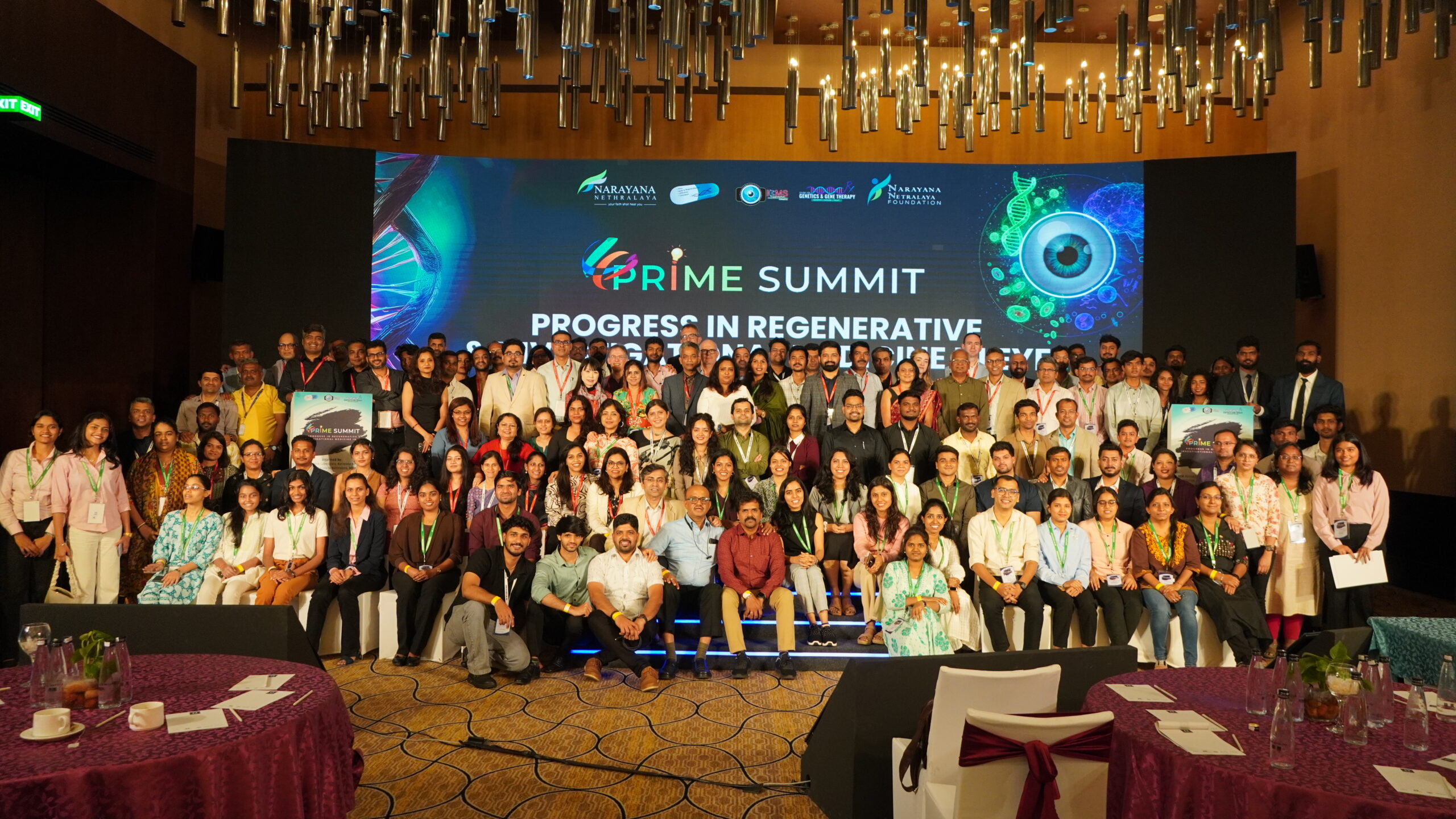
The future of ophthalmology is no longer a distant prospect; it is being meticulously engineered in the lab and applied in the clinic today. The PRIME Summit 2025 (Progress in Regenerative & Investigational Medicine in Eye) served as a landmark gathering of the world’s most brilliant minds in genetics, gene therapy, and ocular regenerative medicine.

Hosted by the Narayana Nethralaya Foundation at the GROW Research Laboratory and The Oterra Hotel in Bengaluru from November 7th to 9th, 2025, this summit was a masterclass in the “Identify, Design, Treat” philosophy.

The Architecture of Innovation: Core Themes

The summit was structured to bridge the gap between complex molecular biology and life-changing clinical applications. 

  • Ocular Gene Therapy: Moving beyond theory to the design, production, and scale-up of viral vectors to treat inherited retinal diseases (IRDs). 
  • AI in Ophthalmology: Transitioning from simple statistical tools to practical applications like automated image segmentation for Fuchs’ Dystrophy and predicting disease trajectory in Diabetic Macular Edema.
  • Regenerative Medicine: Pioneering work in 3D Bioprinting, hydrogels for corneal diseases, and using stem cells for lacrimal gland regeneration.
  • Ocular Immunology: Identifying non-invasive tear biomarkers to predict conditions like Retinopathy of Prematurity (ROP)

A Global Exchange of Expertise

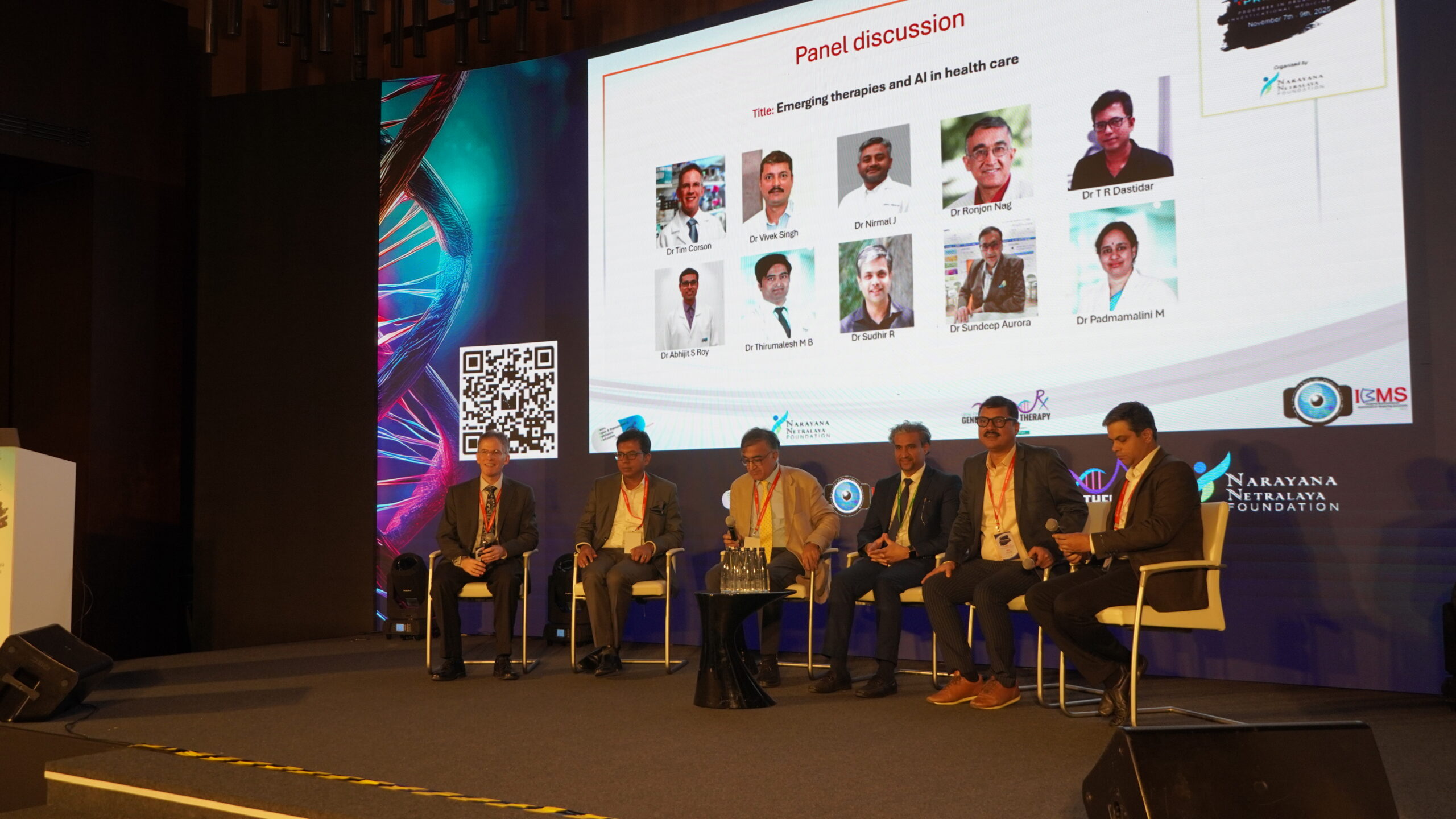
The event features an elite roster of international and national faculty, ensuring cross-pollination of ideas from institutions such as the National Eye Institute (NIH), Johns Hopkins, and the Institut de la Vision.

Key Highlights from the Scientific Sessions:

  • The Dr. K Bhujang Shetty Oration: Dr. Kapil Bharti (USA) explores how to translate RPE biology into practical disease treatments using stem cells. 
  • Indigenous CRISPR Tools: Dr. Souvik Maiti discusses advances in gene therapy through precision biophysical insights.
  • Neuroprotection in Glaucoma: Dr. Pawan Singh and Dr. Padmanabhan P. Pattabiraman present novel strategies to lower intraocular pressure and protect the optic nerve.
  • The Microbiome Link: Research into how dysbiosis affects Stevens-Johnson Syndrome and the impact of inflammation on the ocular surface.

The Workshop Experience

On November 7th, the GROW Research Lab transformed into a hands-on hub for technical training. Participants rotated through intensive “Group” sessions: 

  • Vector Designing for Gene Delivery. 
  • Biomarker Identification for Ocular Immunology
  • AI Applications from Statistics to Practical Clinical Use.
  • Bioprinting and Cell Therapy for tissue engineering.

Beyond the Lab: Events and Recognition

The PRIME Summit was not solely focused on data; it celebrated the community driving these changes.

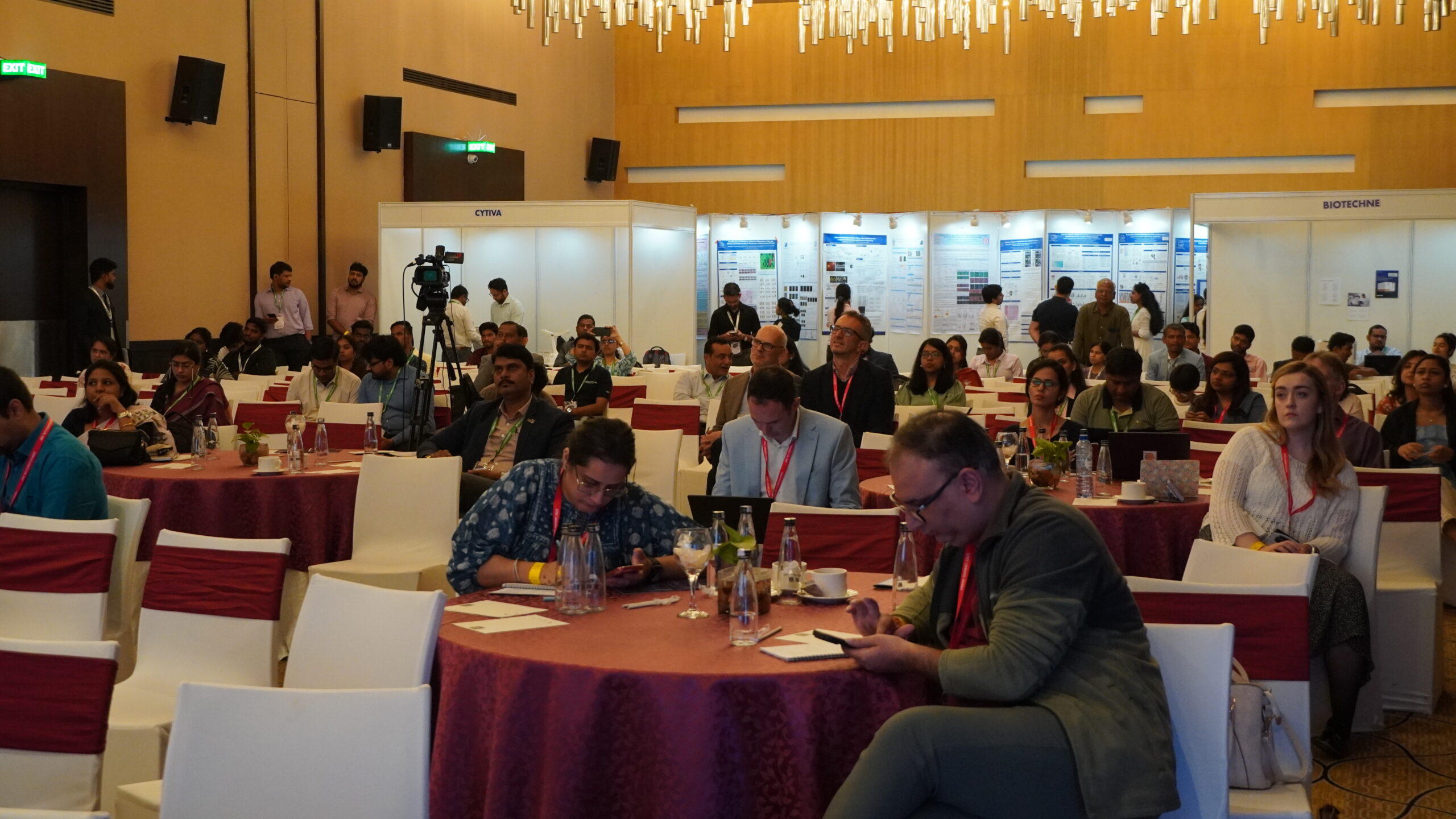
  • Poster Sessions: Young researchers presented their findings during dedicated poster-viewing and grading sessions, fostering mentorship between veterans and the next generation of scientists.
  • Cultural Celebration: The evening of November 8th featured cultural events, allowing delegates to unwind and connect through music and performance.
  • Awards and Closing: The summit concluded on November 9th with prize announcements, recognizing the most impactful research contributions, followed by closing remarks that set the stage for future collaborations.

Why This Matters for the Future of Sight

From off-label eye drops that stabilize unstable drugs to the CurieCrisp Platform, a CRISPR-based correction for RDH12 mutations, the summit proved that personalized eye care is becoming a reality. Whether managing Myopia, treating Dry Eye Disease with mesenchymal stem cells, or utilizing Allogeneic iPSC-derived photoreceptors for retinal blindness, the roadmap for the next decade of eye care was drawn in Bengaluru.

By integrating Artificial Intelligence, Genomics, and Biomaterials, the Narayana Nethralaya Foundation is not just treating symptoms; it is redefining the boundaries of human vision.