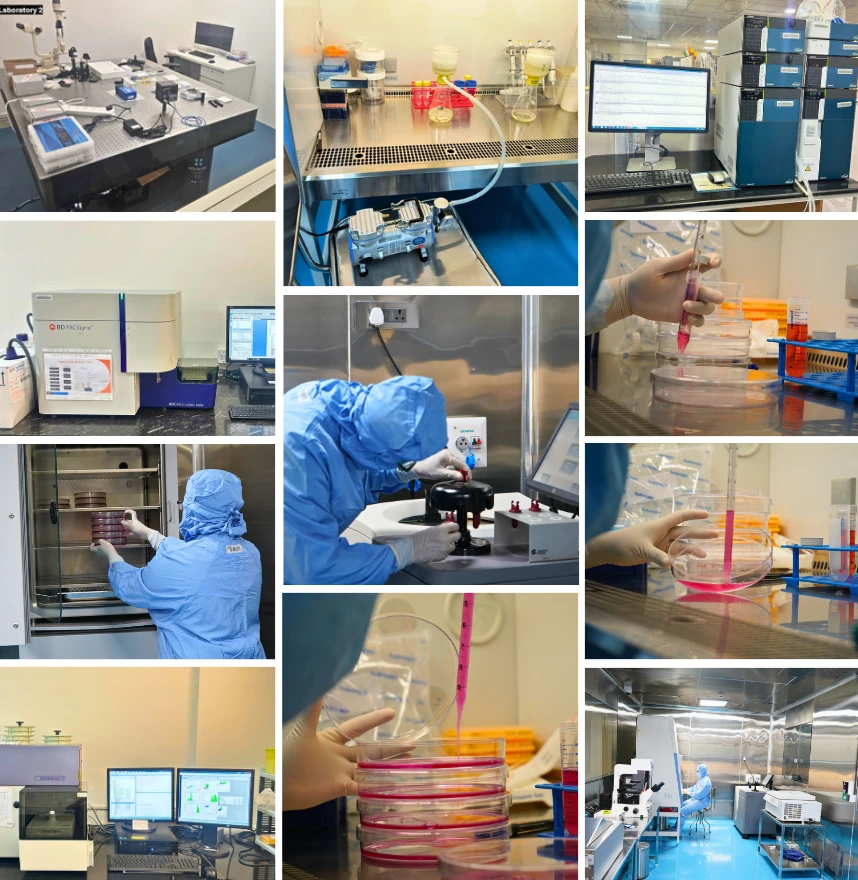
Induced pluripotent stem cells enable patient-specific disease modelling by reprogramming adult cells into pluripotent stem cells. At Narayana Netralaya Foundation, iPSC research is used to study ocular diseases at a cellular level and connect genetic findings with functional outcomes.
Many inherited retinal diseases progress silently before clinical symptoms appear. iPSC-derived retinal cells allow early disease mechanisms to be studied and therapies to be evaluated in human-relevant models.
The iPSC programme aims to:
The iPSC programme focuses on creating patient-specific cellular models to study disease mechanisms and evaluate therapeutic strategies in a controlled laboratory environment.
Core areas of focus include:
A strong emphasis is placed on translational integration, including:
Together, these efforts support a diverse portfolio of iPSC research, spanning various areas ocular and cellular dysfunction.
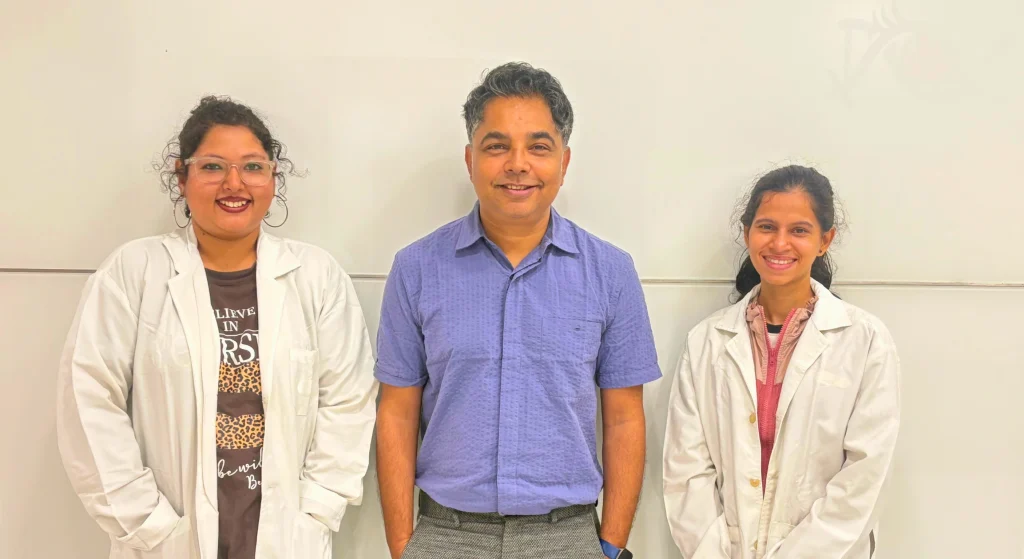
The iPSC programme is led by a multidisciplinary team of scientists and clinician-researchers with expertise in:
Close collaboration between laboratory researchers and clinicians ensures that research priorities remain aligned with patient needs and real-world clinical applicability.

Authors: Selot R, Ghosh A
Keywords: NA
PMID: 38384245

Authors: Rayne R Lim, Binapani Mahaling, Alison Tan, Milan Mehta, Charanjit Kaur , Walter Hunziker, Judy E Kim , Veluchamy A Barathi , Arkasubhra Ghosh , Shyam S Chaurasia
Keywords: NA
PMID: 38430220
DOI: 10.1096/fj.202301592R

Authors: Divyani Nayak, Ramaraj Kannan, Sharon D’Souza, Shivapriya Shivakumar, Rohit Shetty, Naren Shetty, Dipankar Malakar, Praveen Machiraju, Debashish Das, Arkasubhra Ghosh, Vrushali Deshpande, Koushik Chakrabarty
Keywords: NA
PMID: 42061480
DOI: 10.1016/j.freeradbiomed.2026.04.139

The iPSC programme is progressing towards: