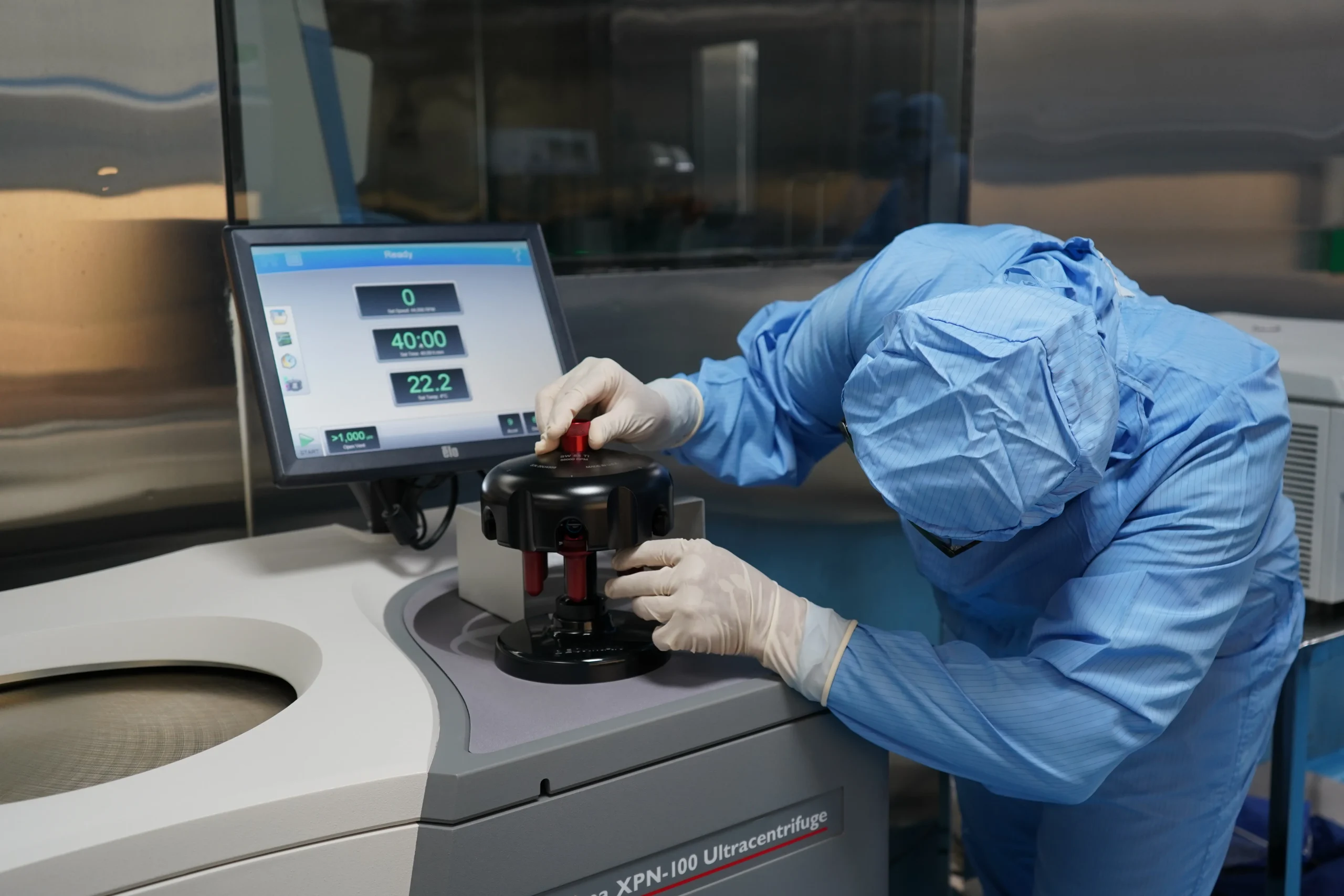
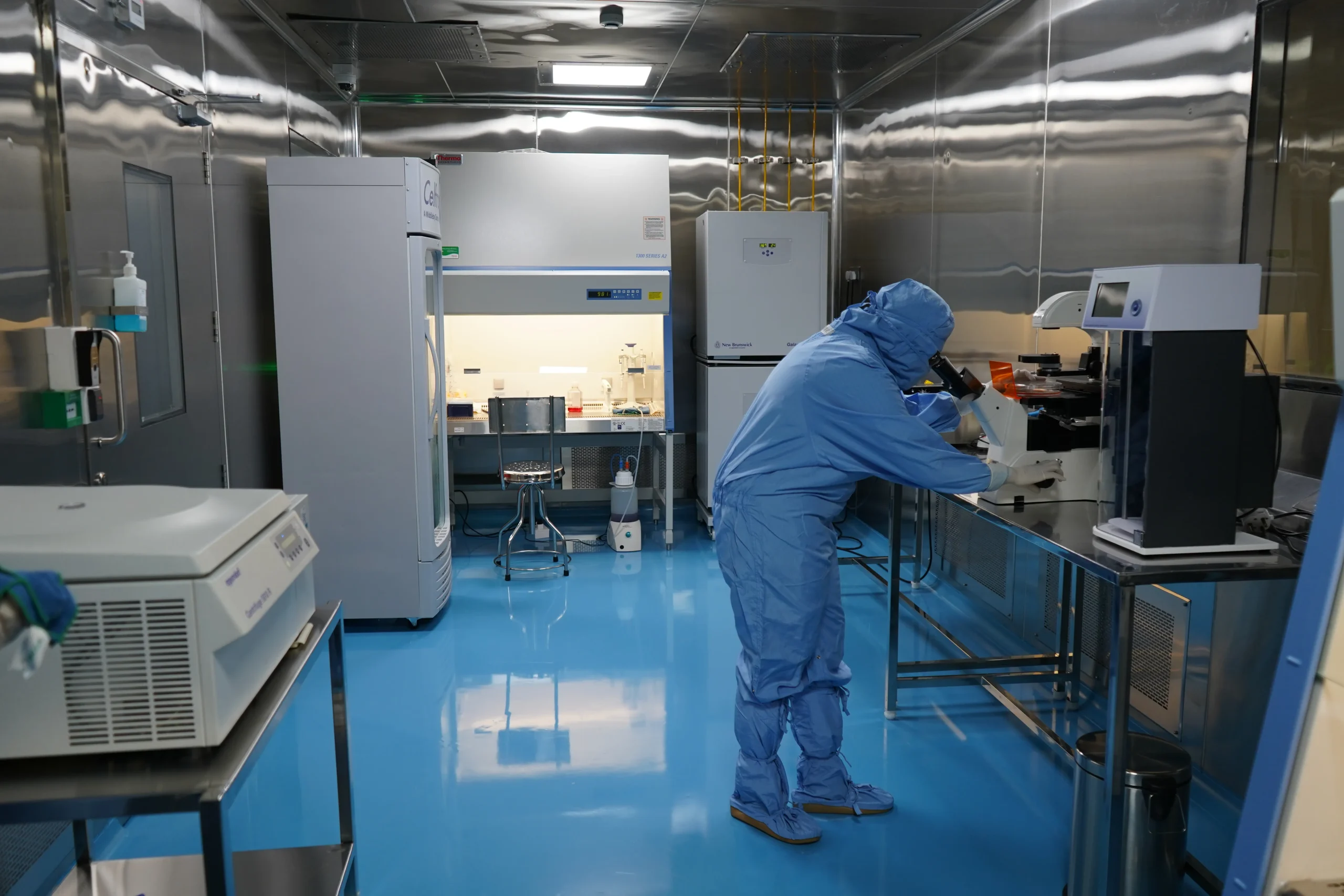
Our research facilities bring together advanced analytical platforms, gene therapy infrastructure, optical imaging laboratories and high-performance computing systems to support multidisciplinary research.
From molecular and cellular analysis to advanced ophthalmic imaging and computational research, these facilities enable researchers to investigate complex biological processes, develop new technologies and translate scientific discoveries into meaningful applications.
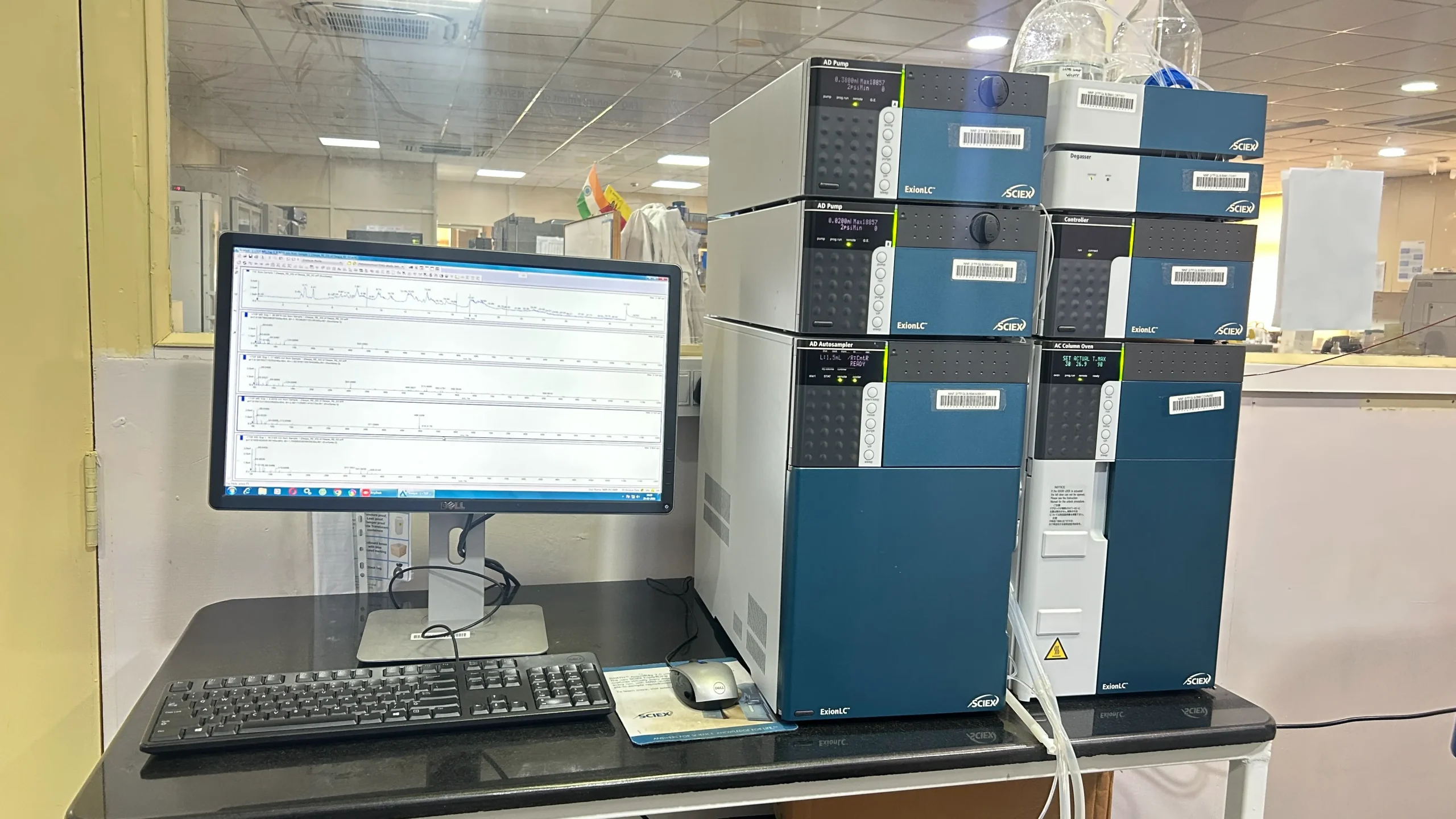
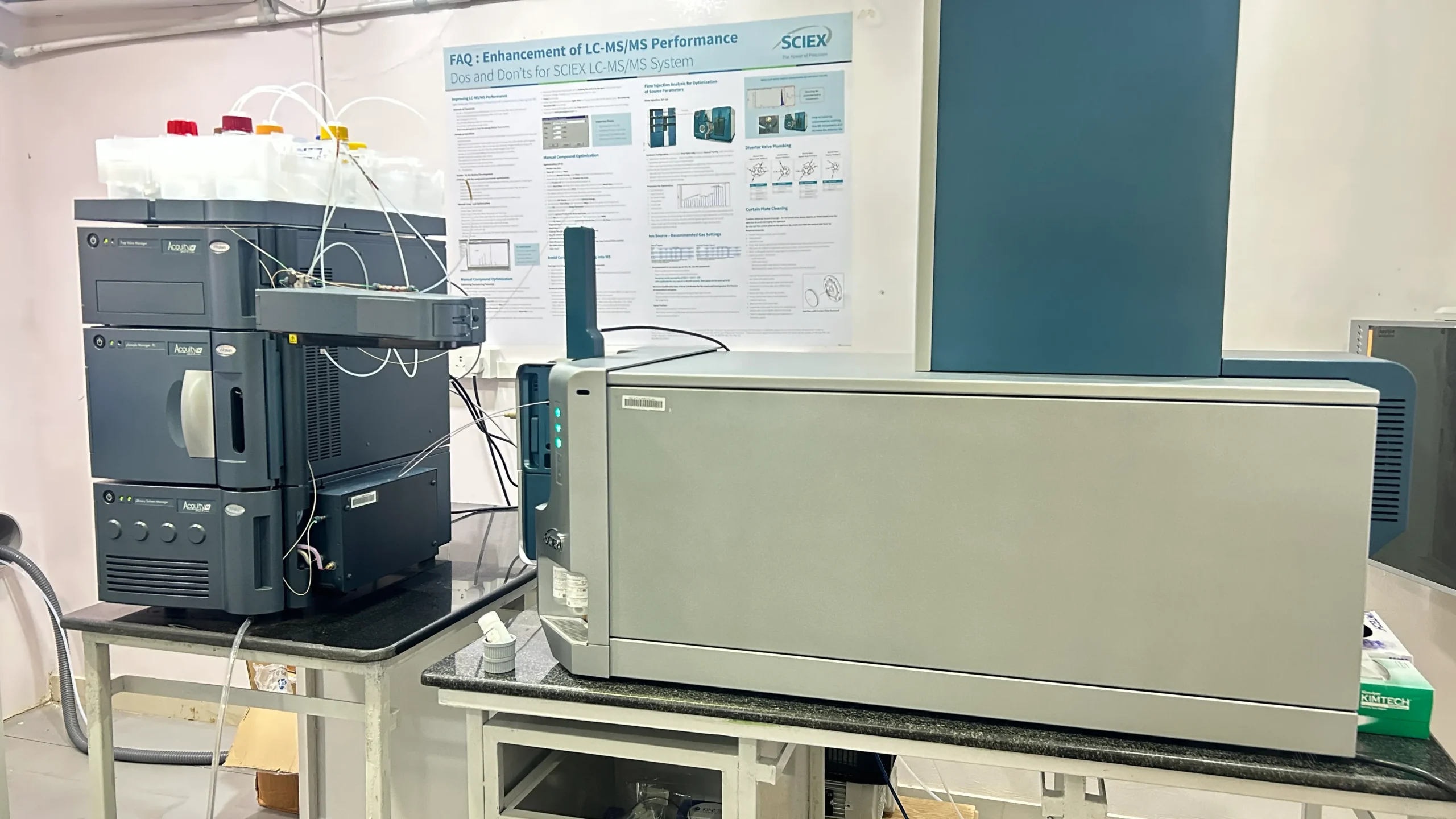
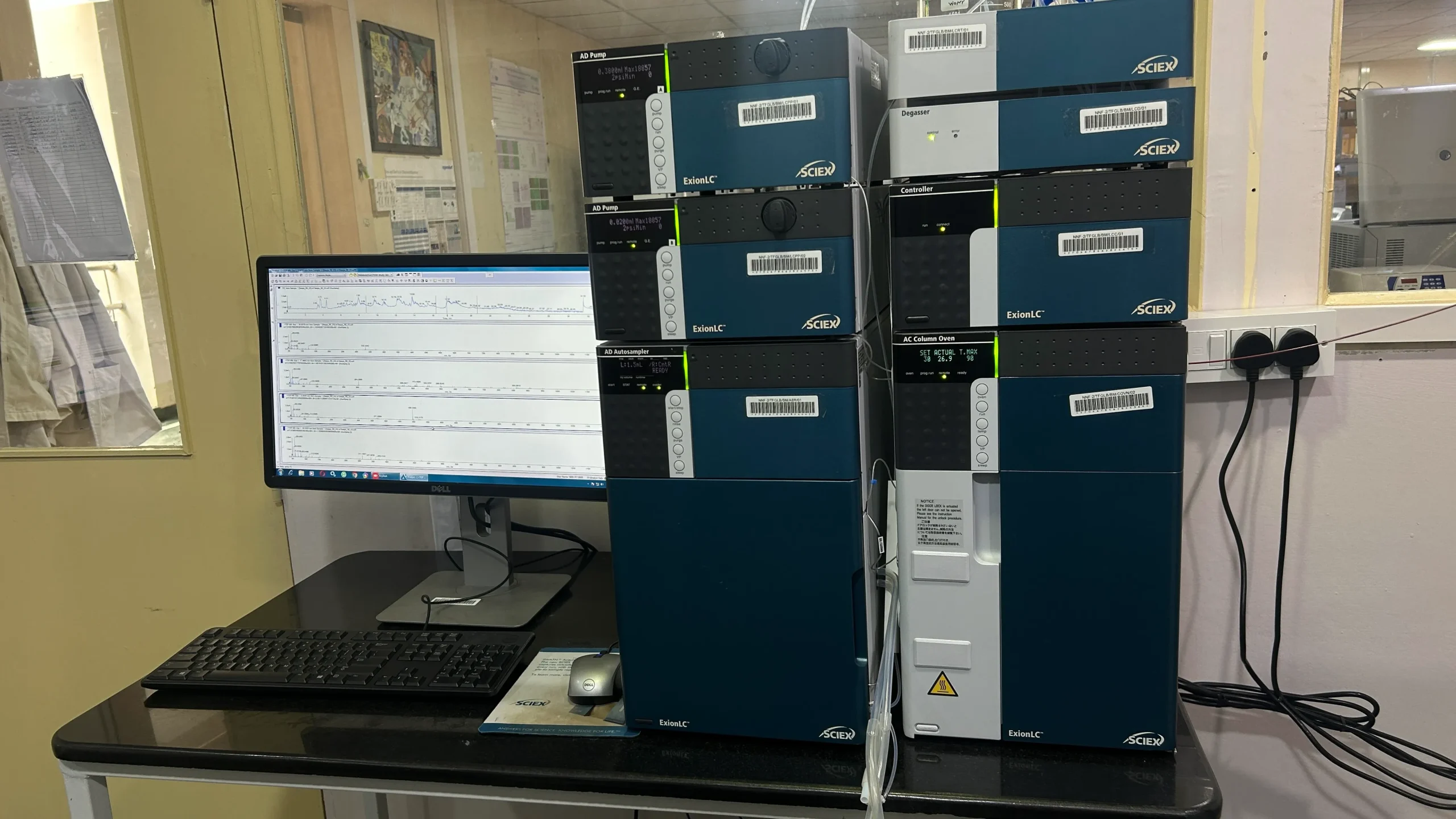
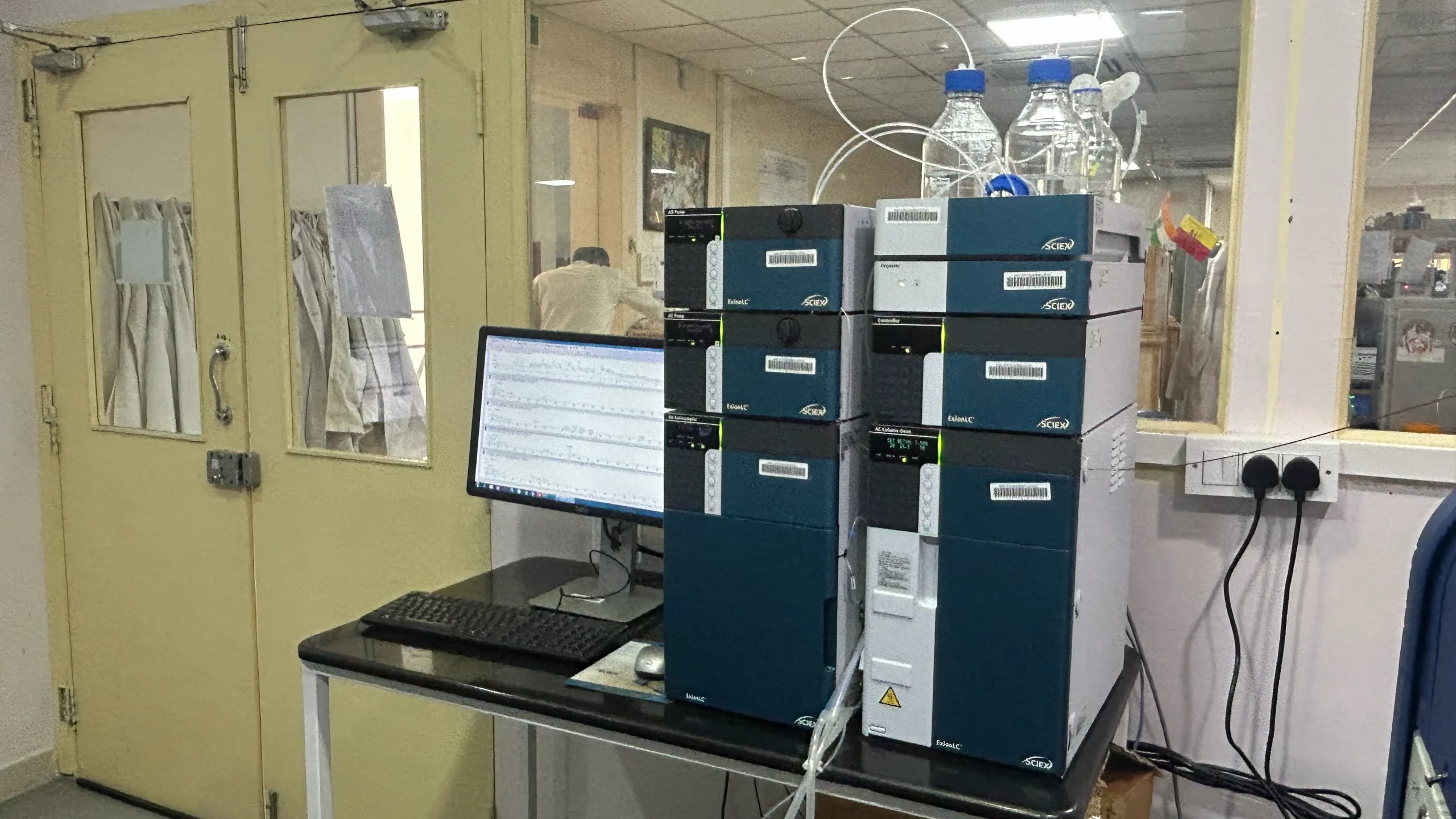
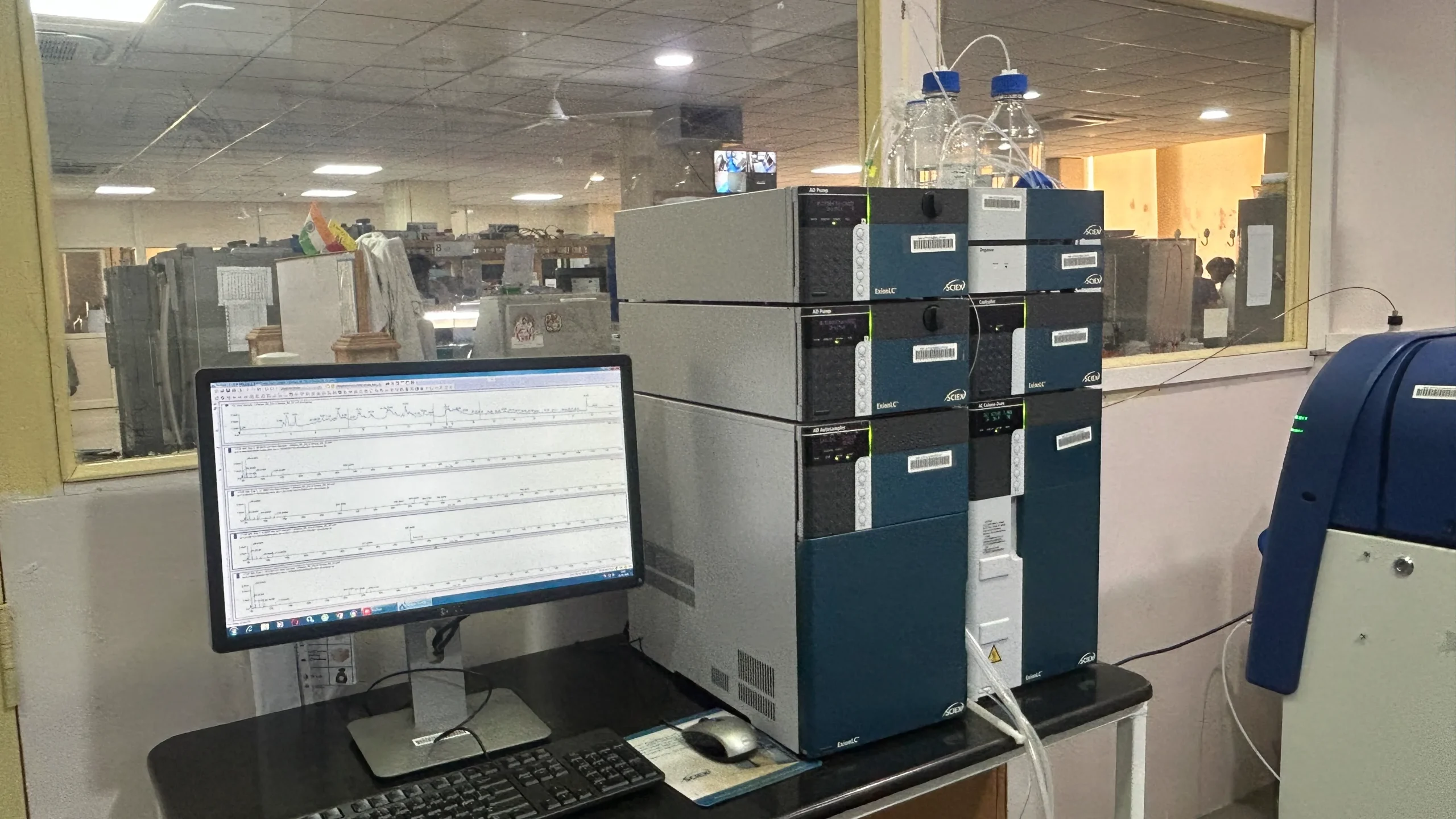
Our mass spectrometry infrastructure supports advanced proteomic and metabolomic research, enabling the identification, characterisation and quantitative analysis of complex biological molecules.
The facility provides researchers with powerful analytical capabilities for investigating proteins, metabolites and molecular pathways across a wide range of biomedical research applications.
Key capabilities
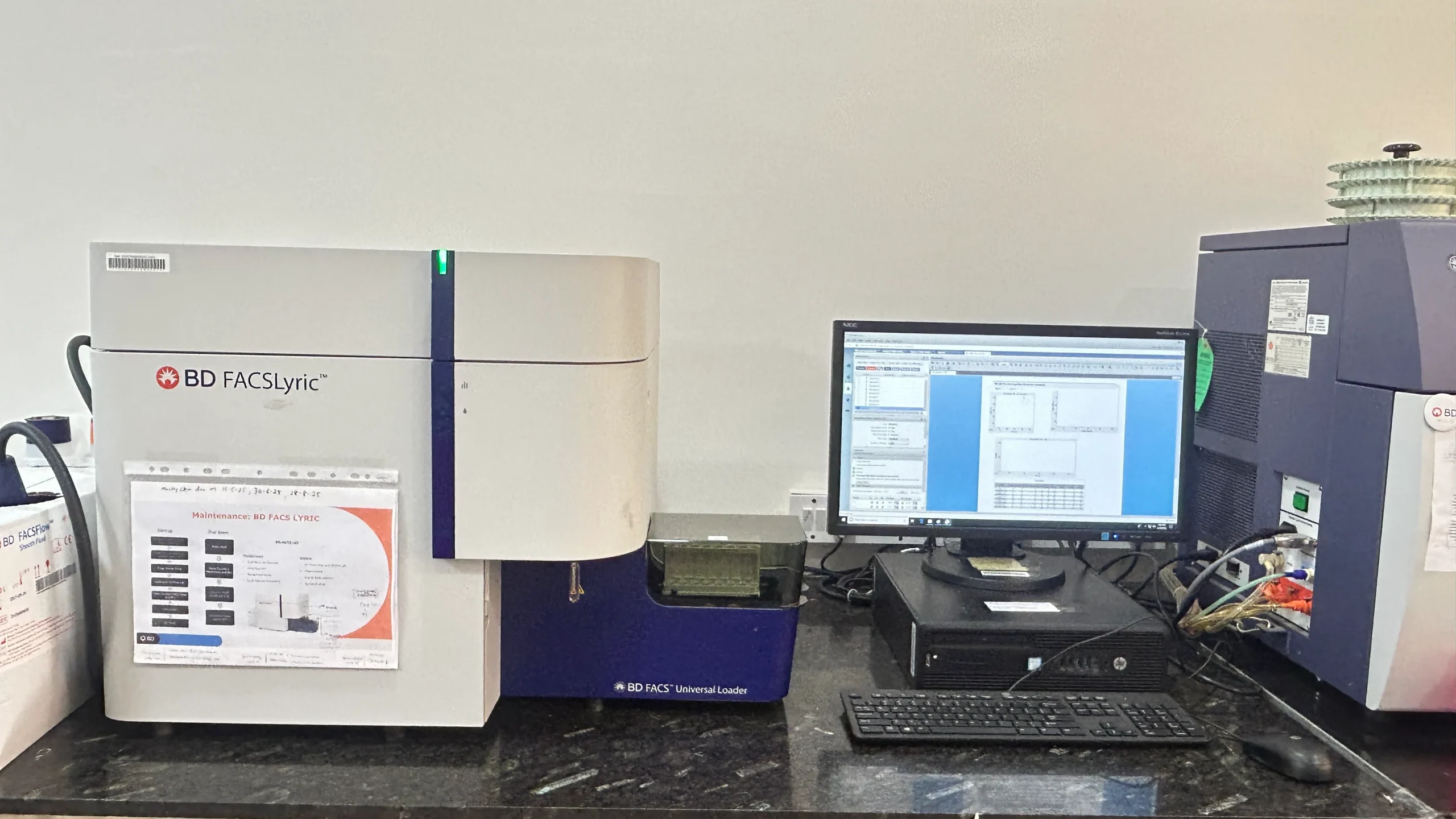
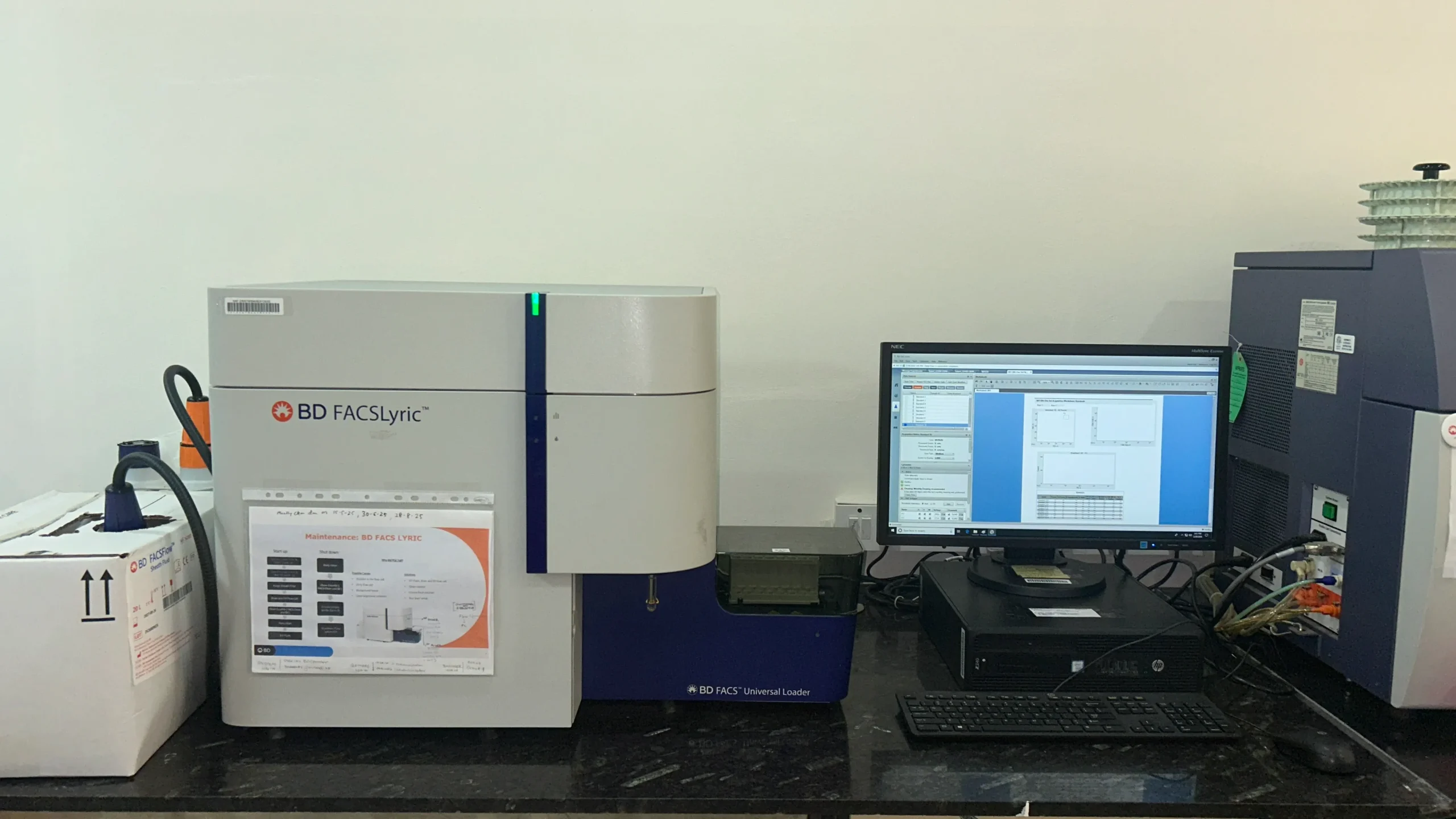
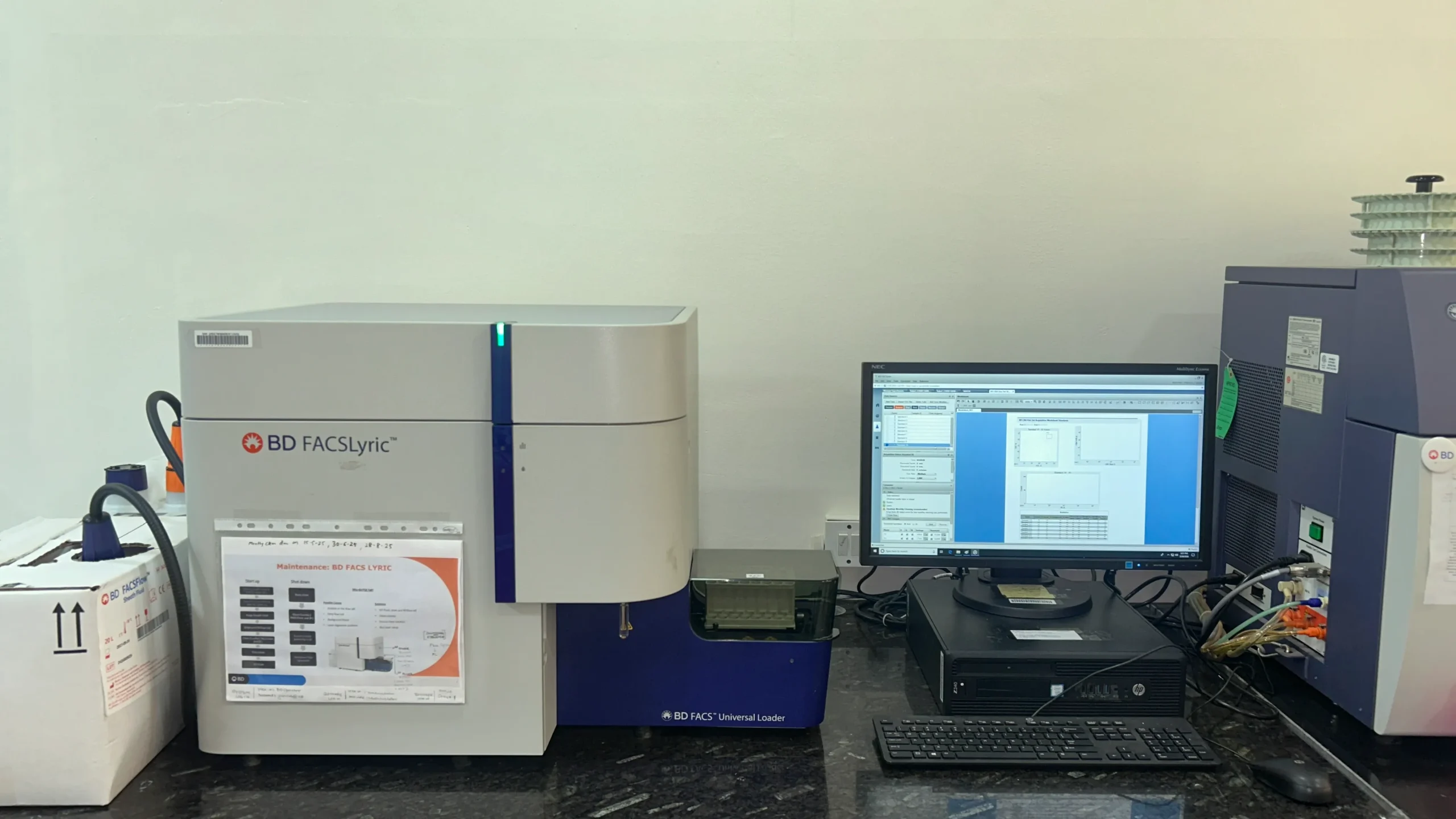
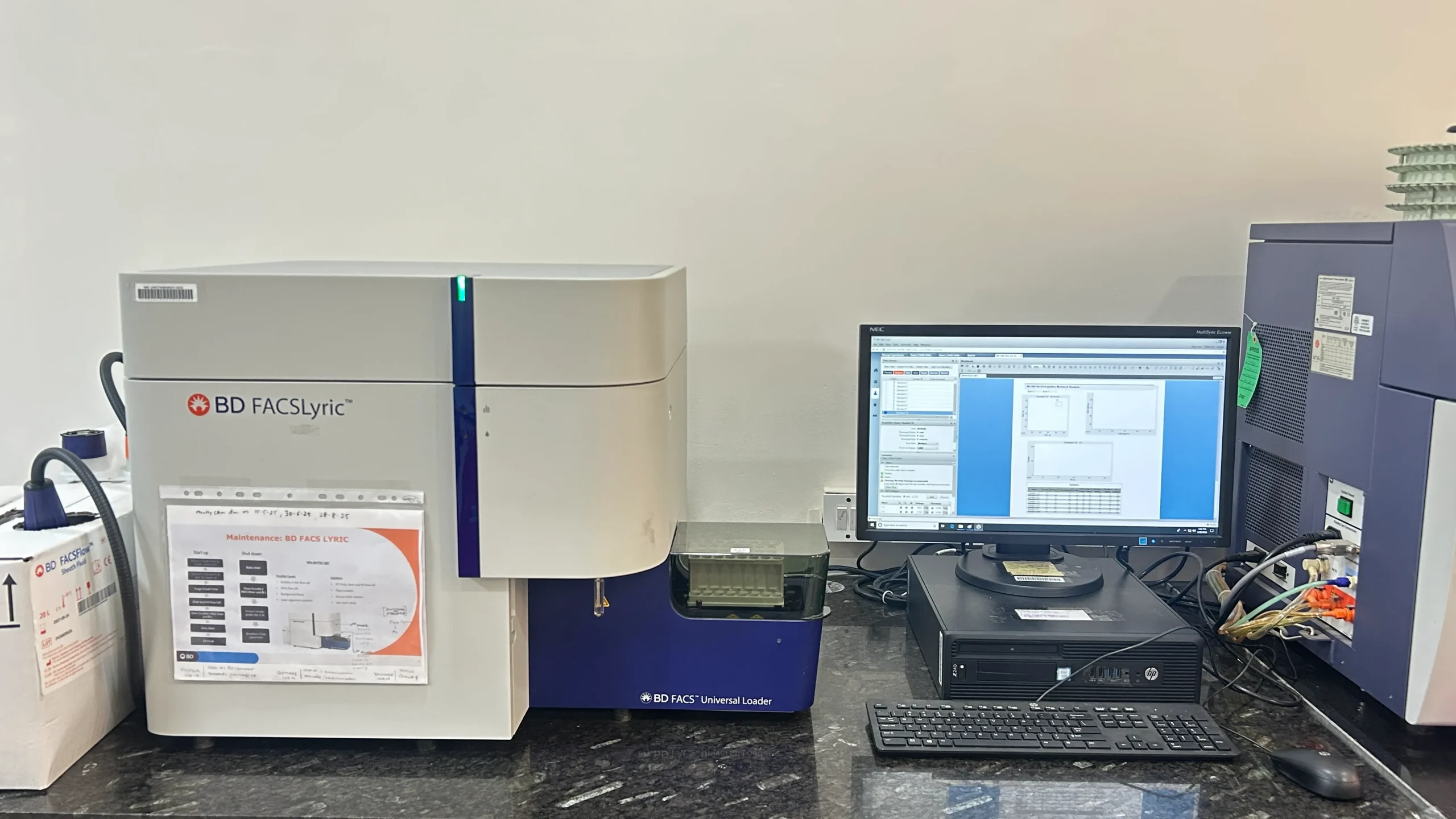
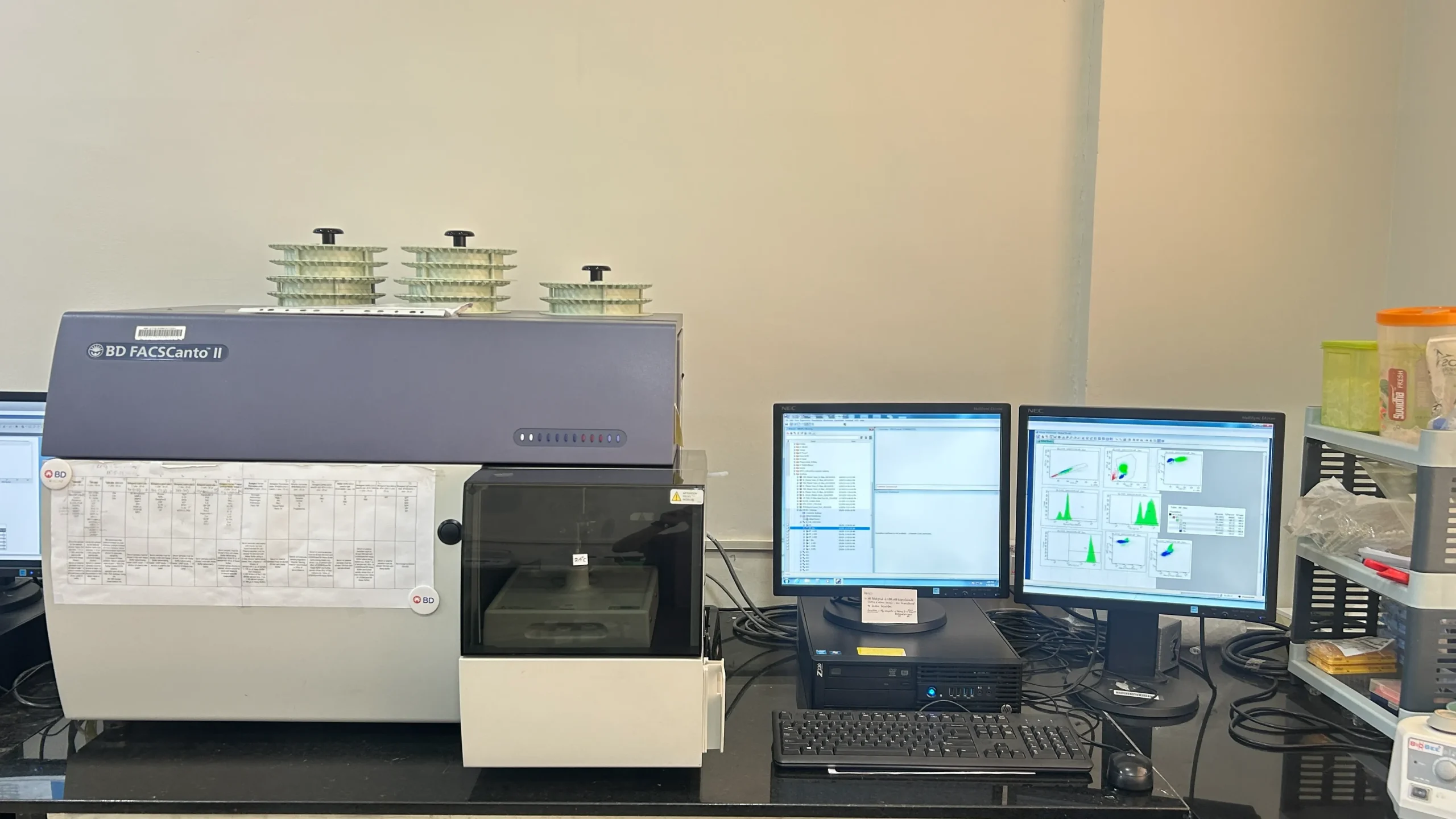
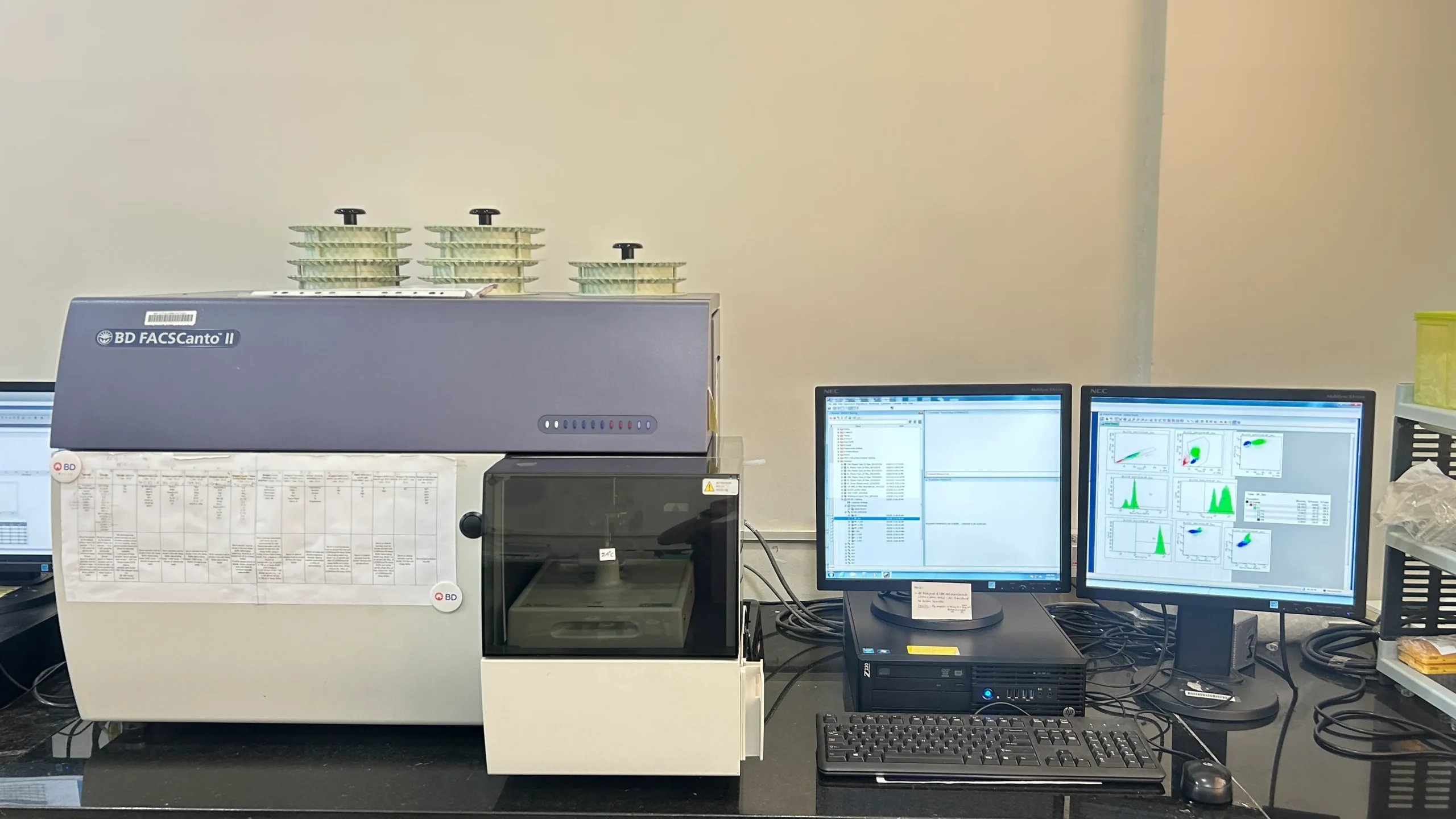
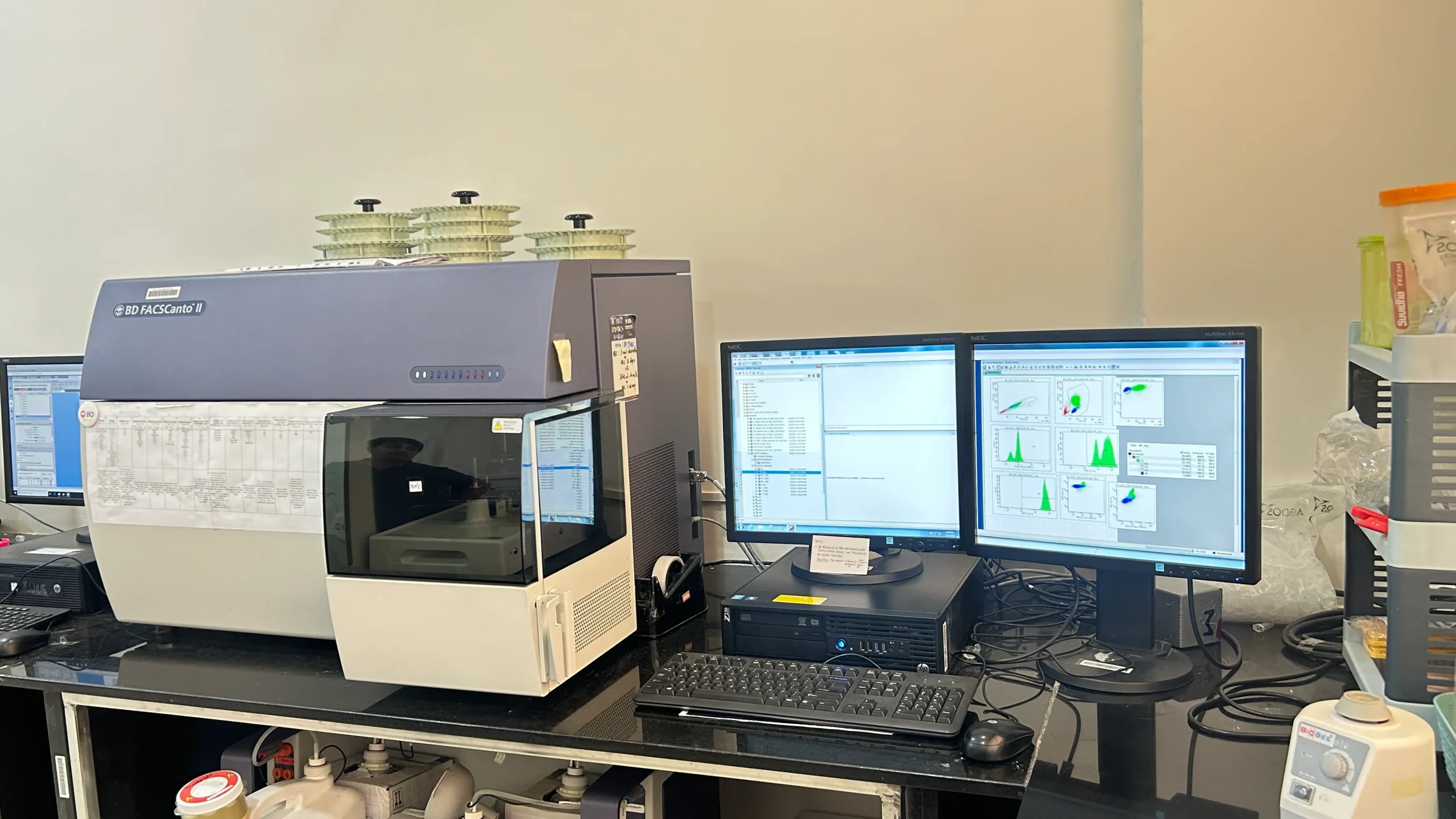
The Proteomics and Metabolomics Facility enables comprehensive molecular-level investigation of biological samples.
By combining advanced analytical technologies with specialised research workflows, the facility supports studies focused on molecular mechanisms, biomarkers, disease pathways and translational research.
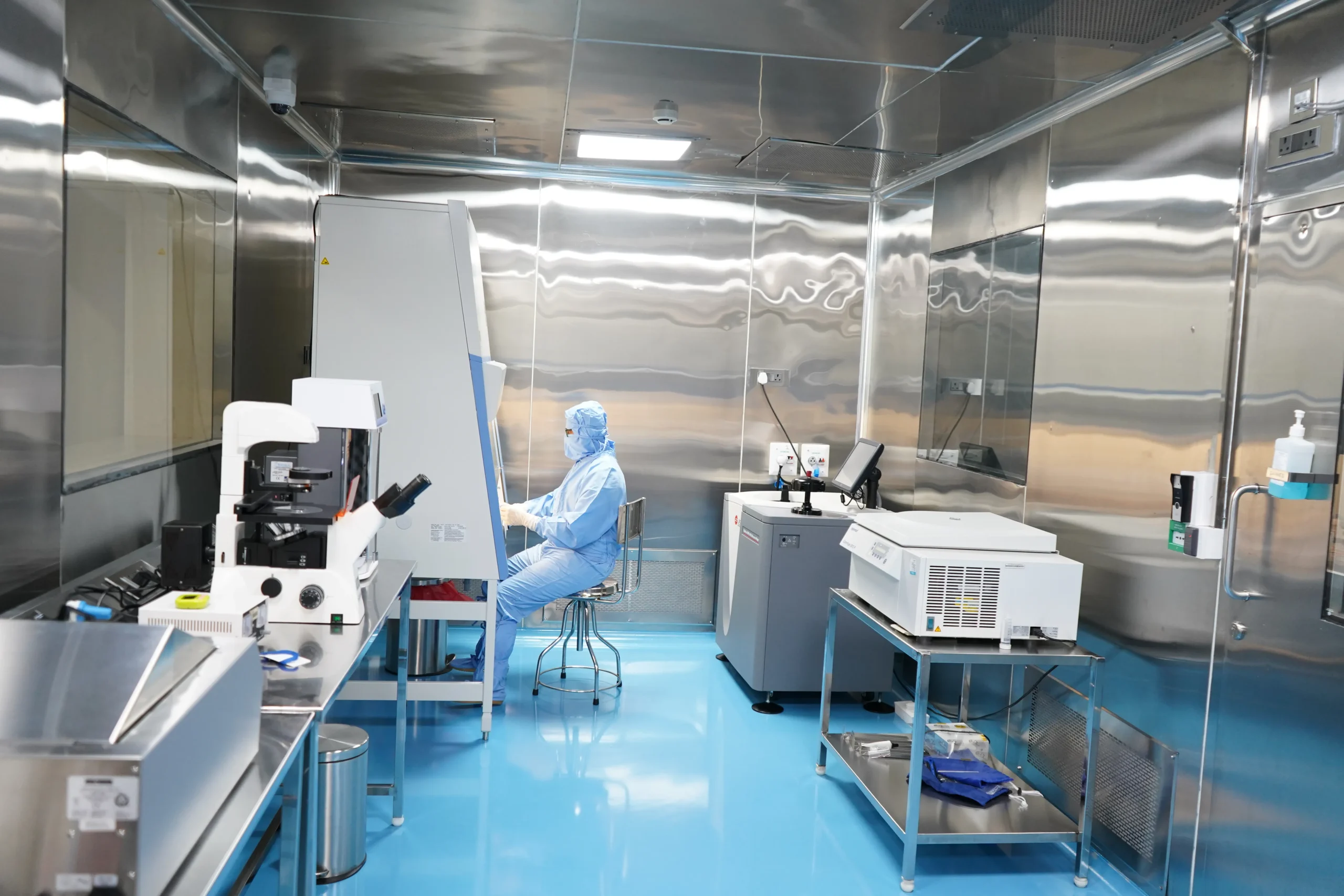
The GMP AAV Vector Production Facility provides specialised infrastructure to support research and development involving adeno-associated viral vectors.
Designed to enable controlled and high-quality vector production workflows, the facility strengthens research capabilities in gene delivery, translational research and the development of advanced gene-based therapeutic approaches.
Research capabilities
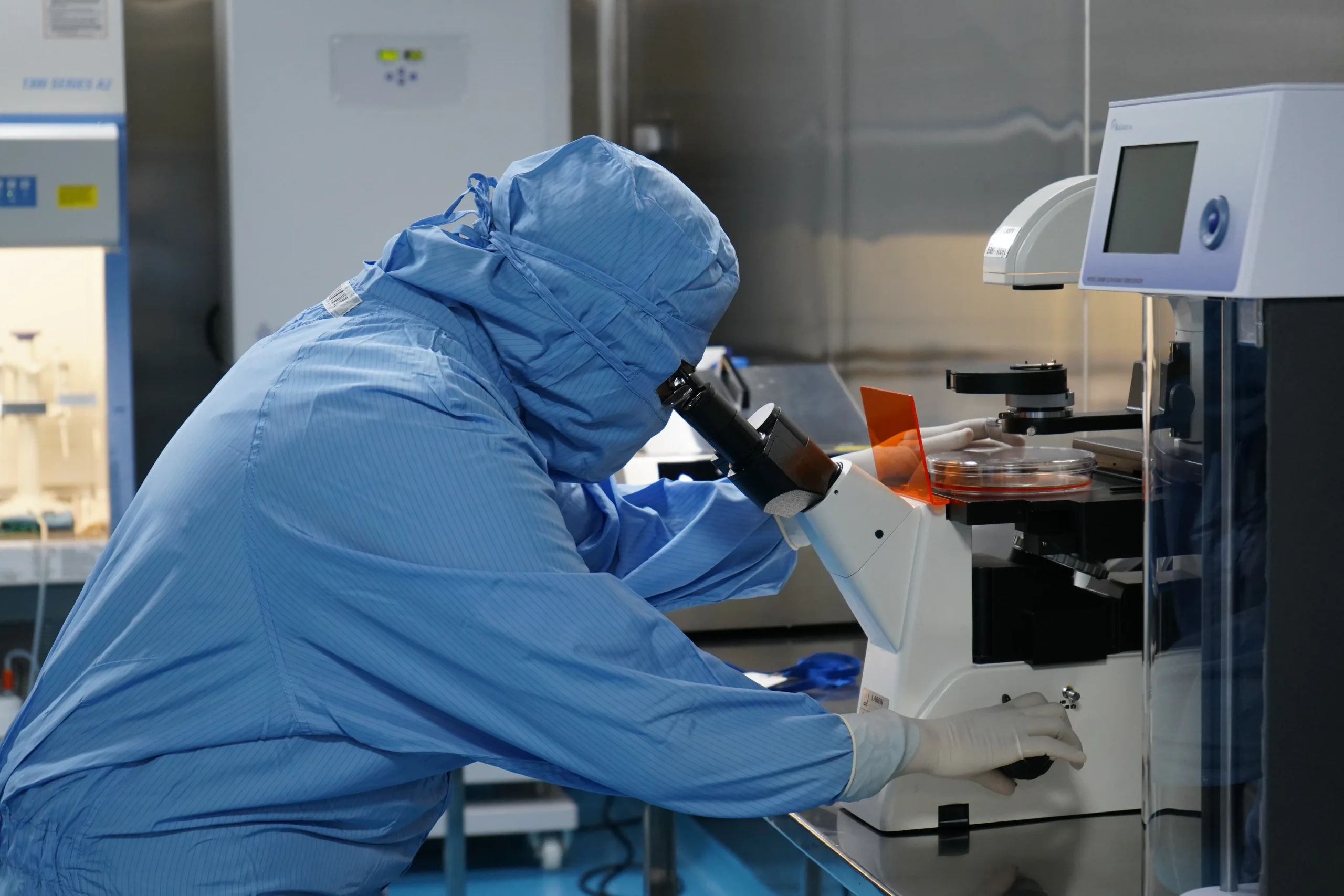
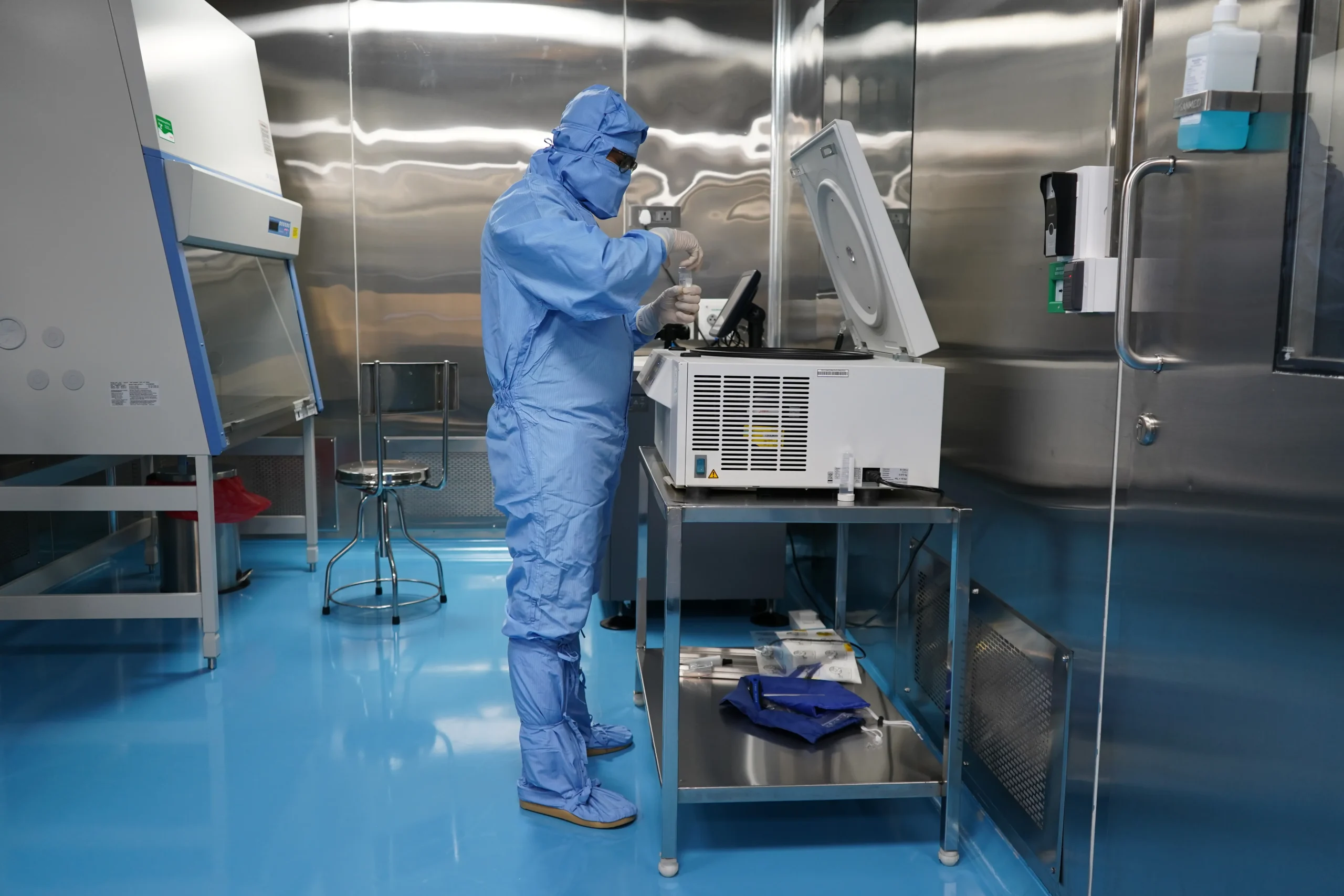
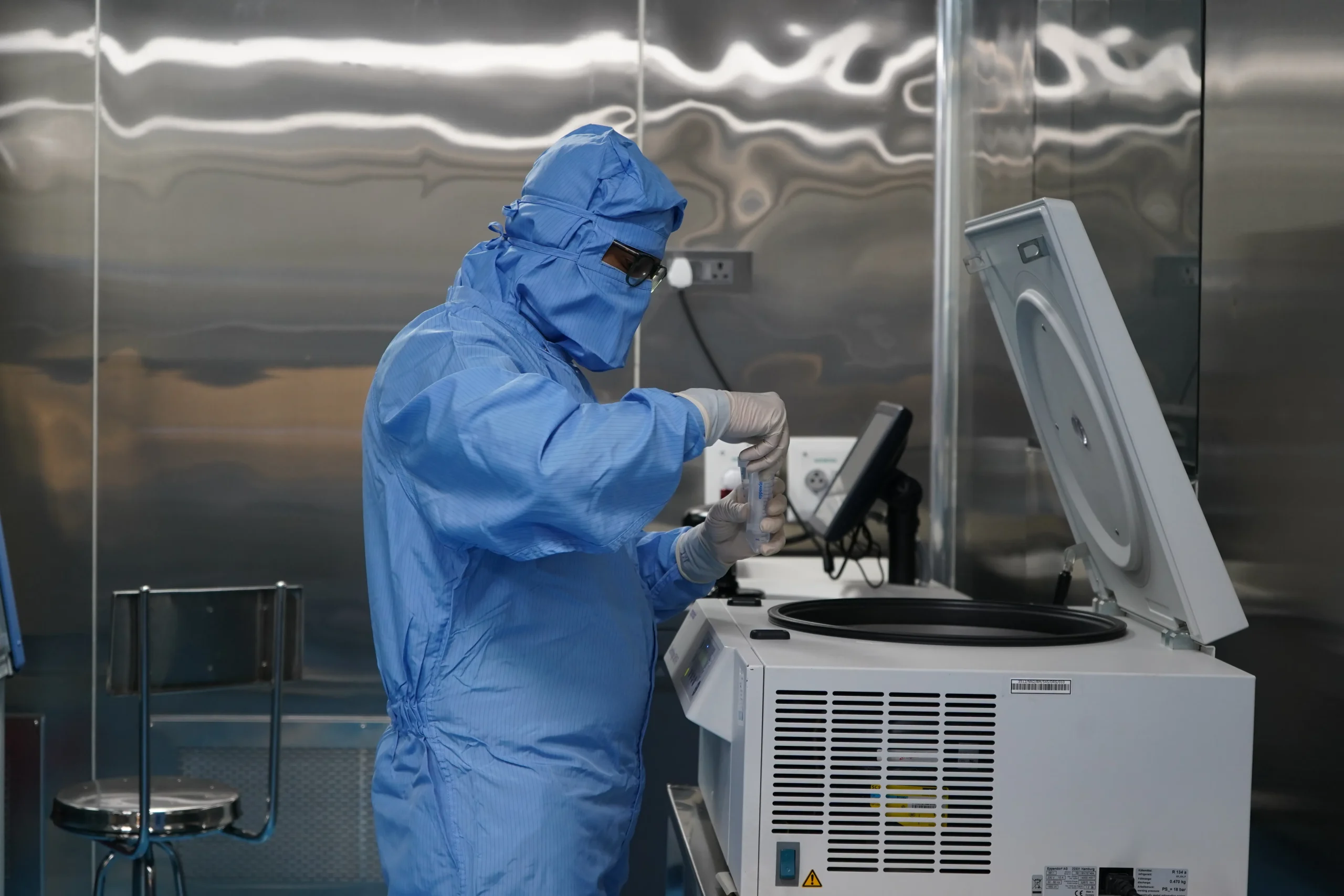
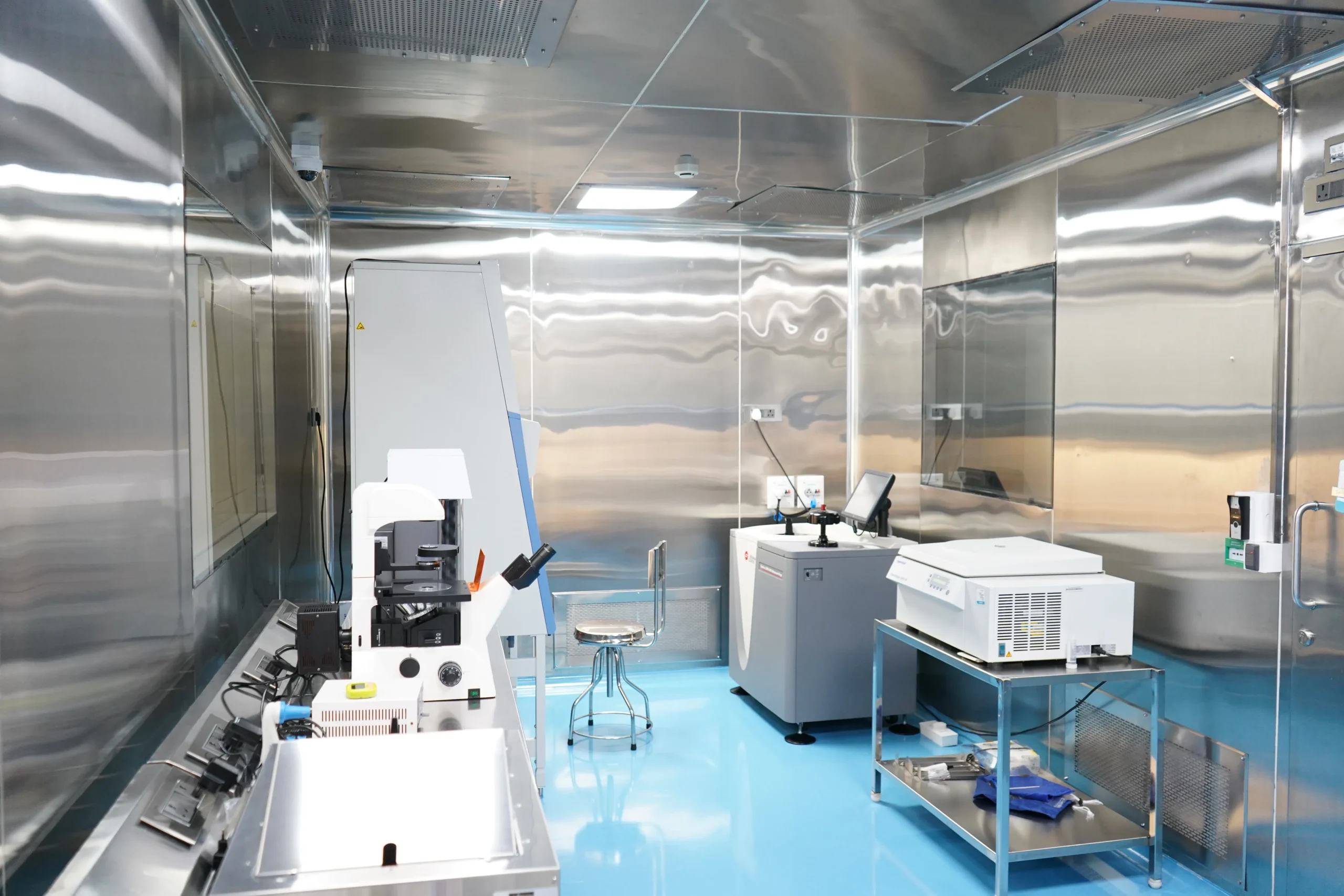
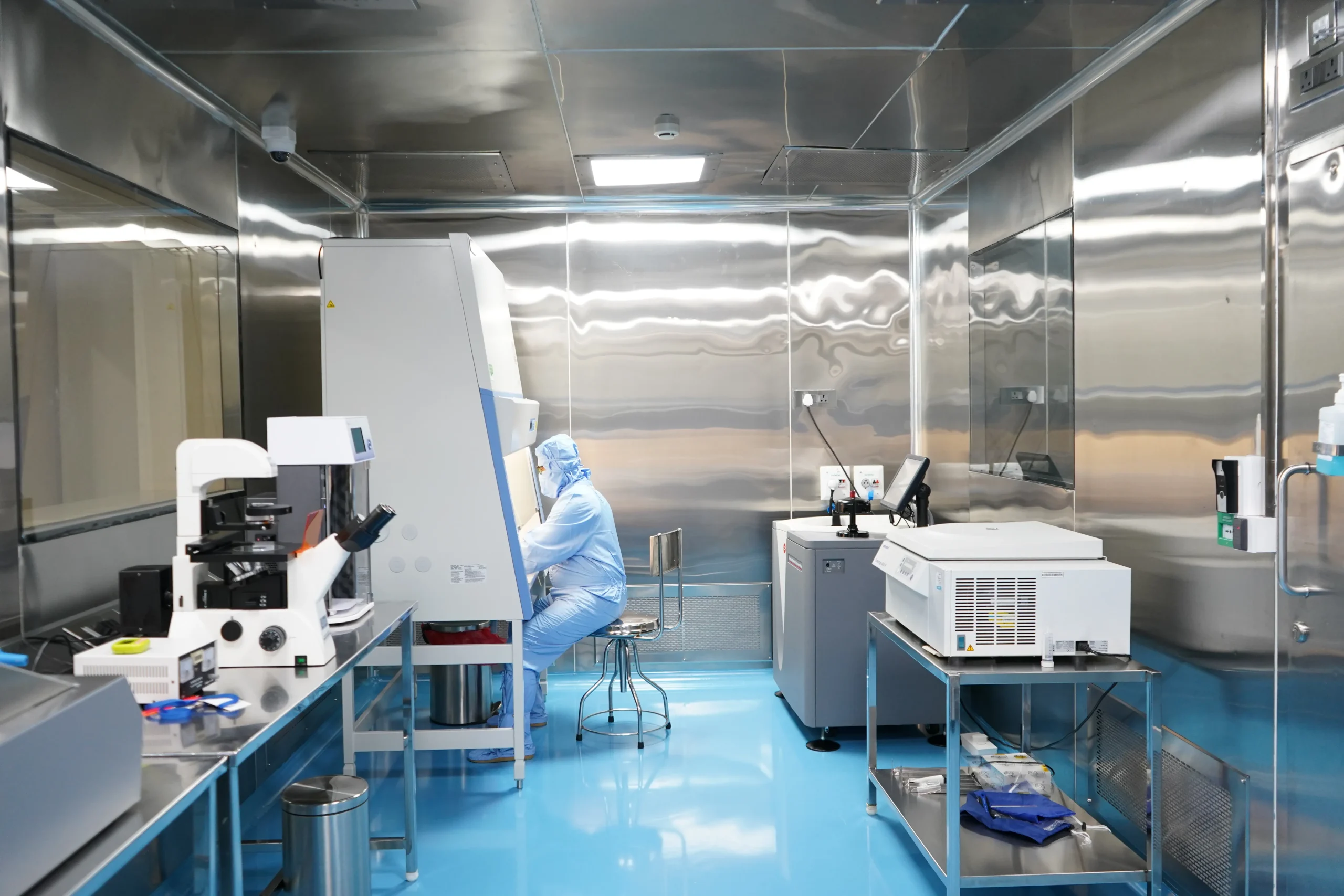
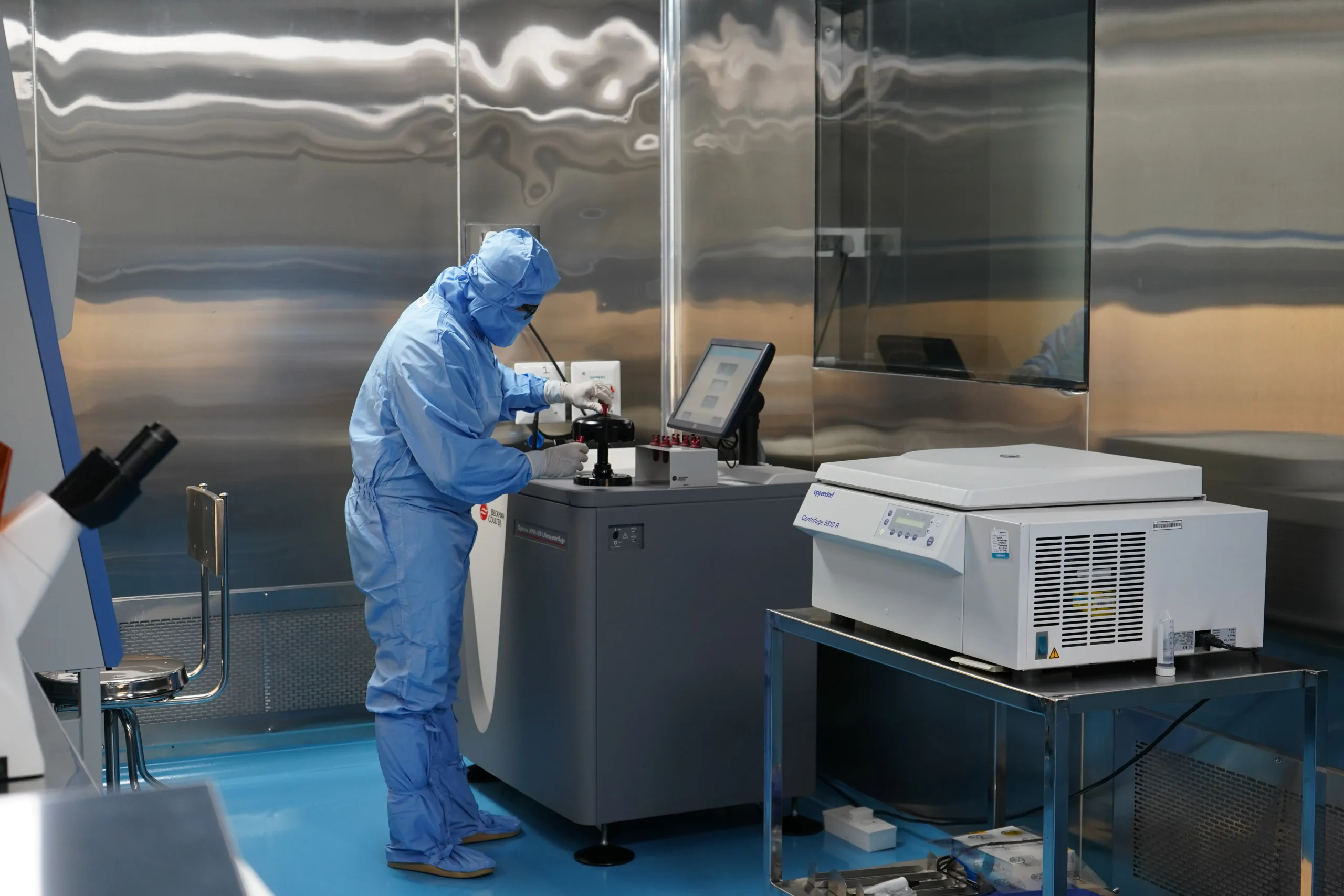
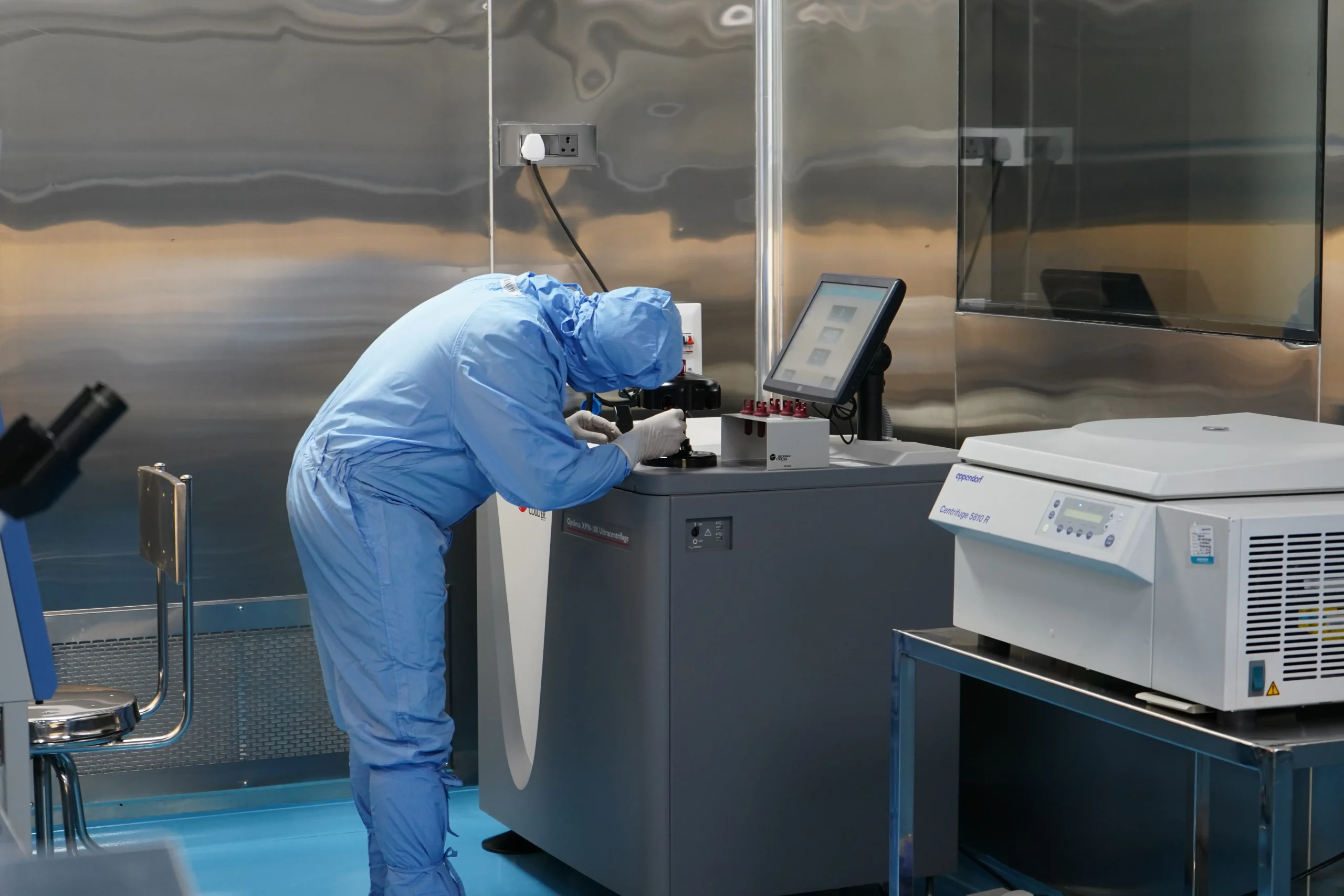
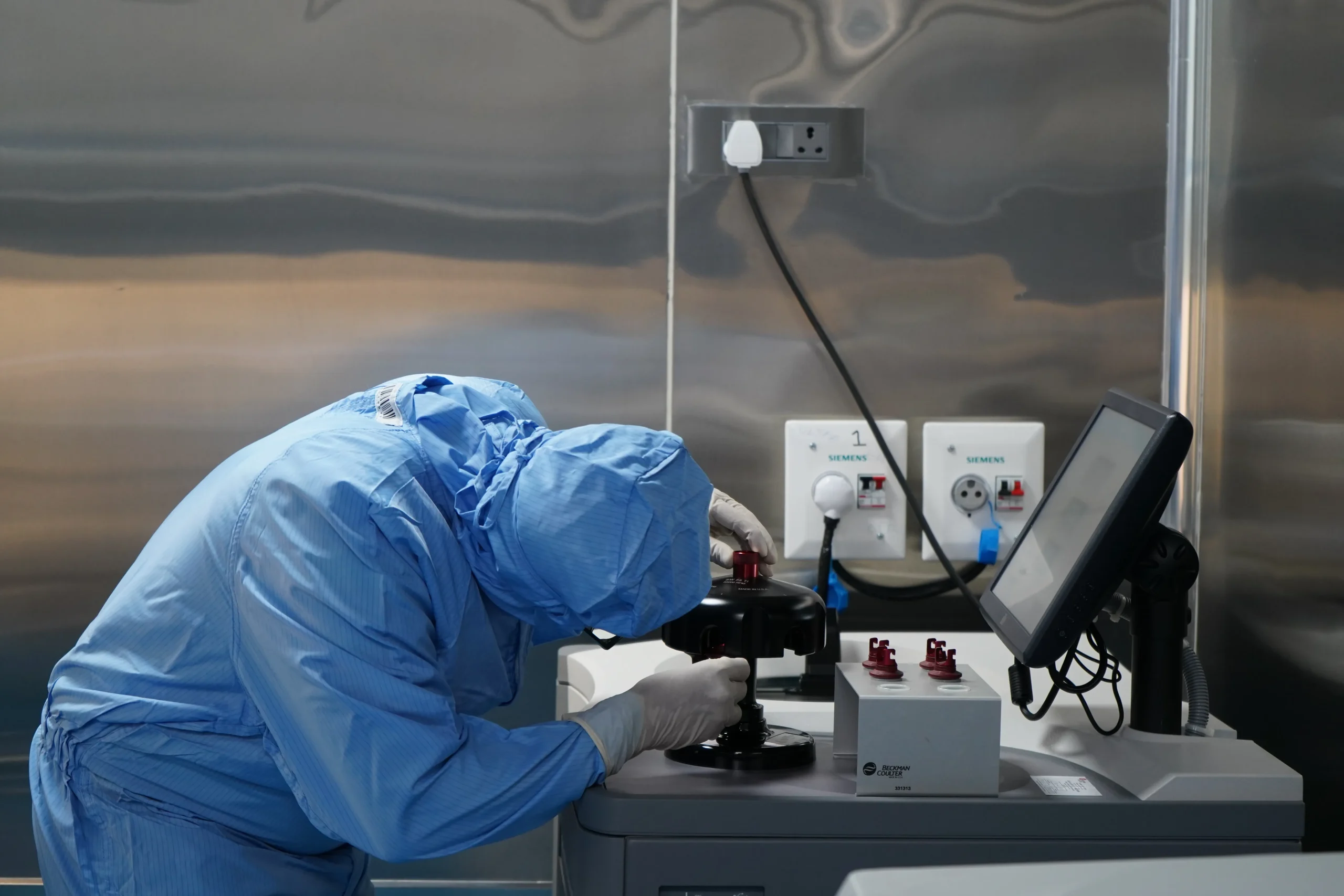
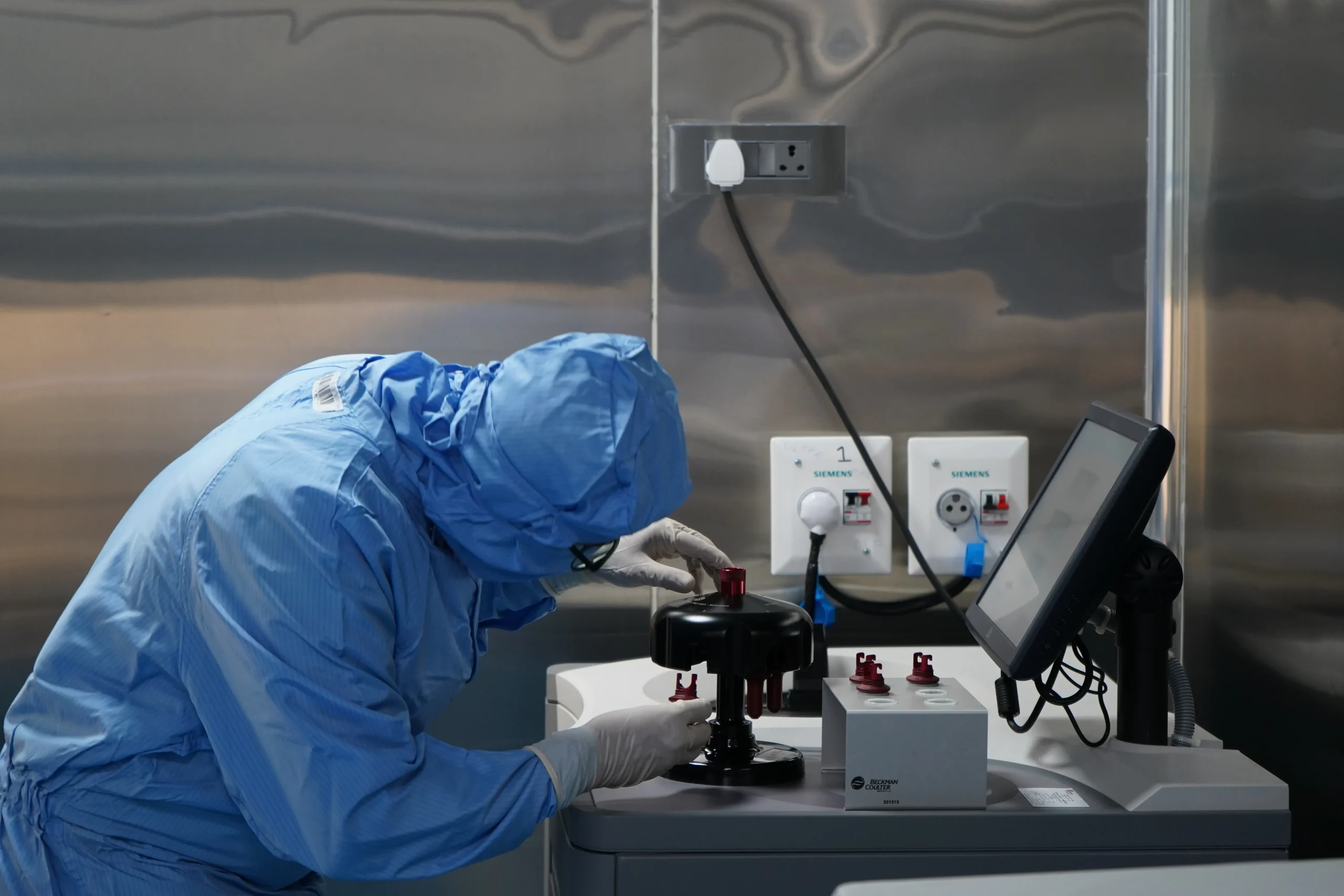
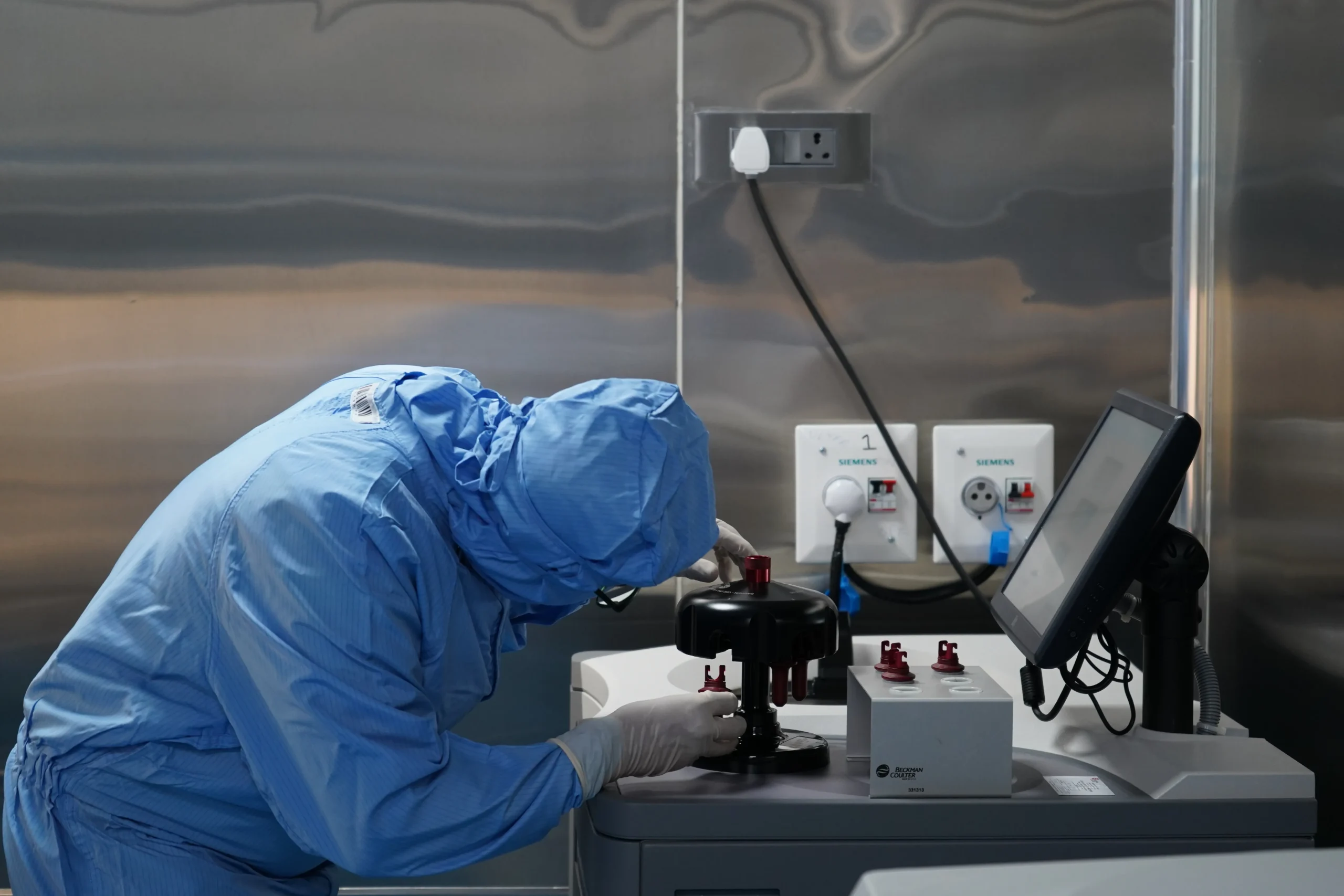
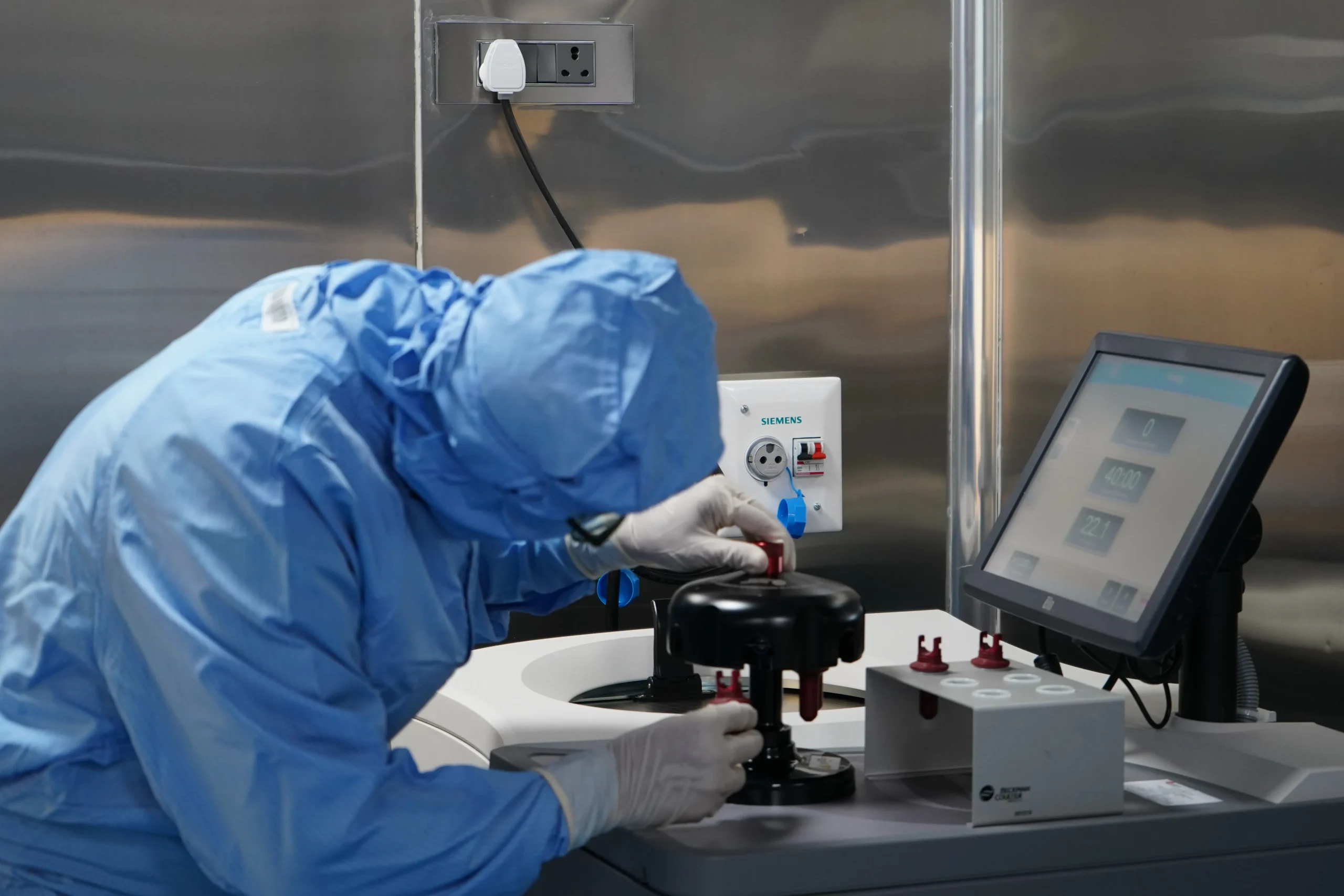
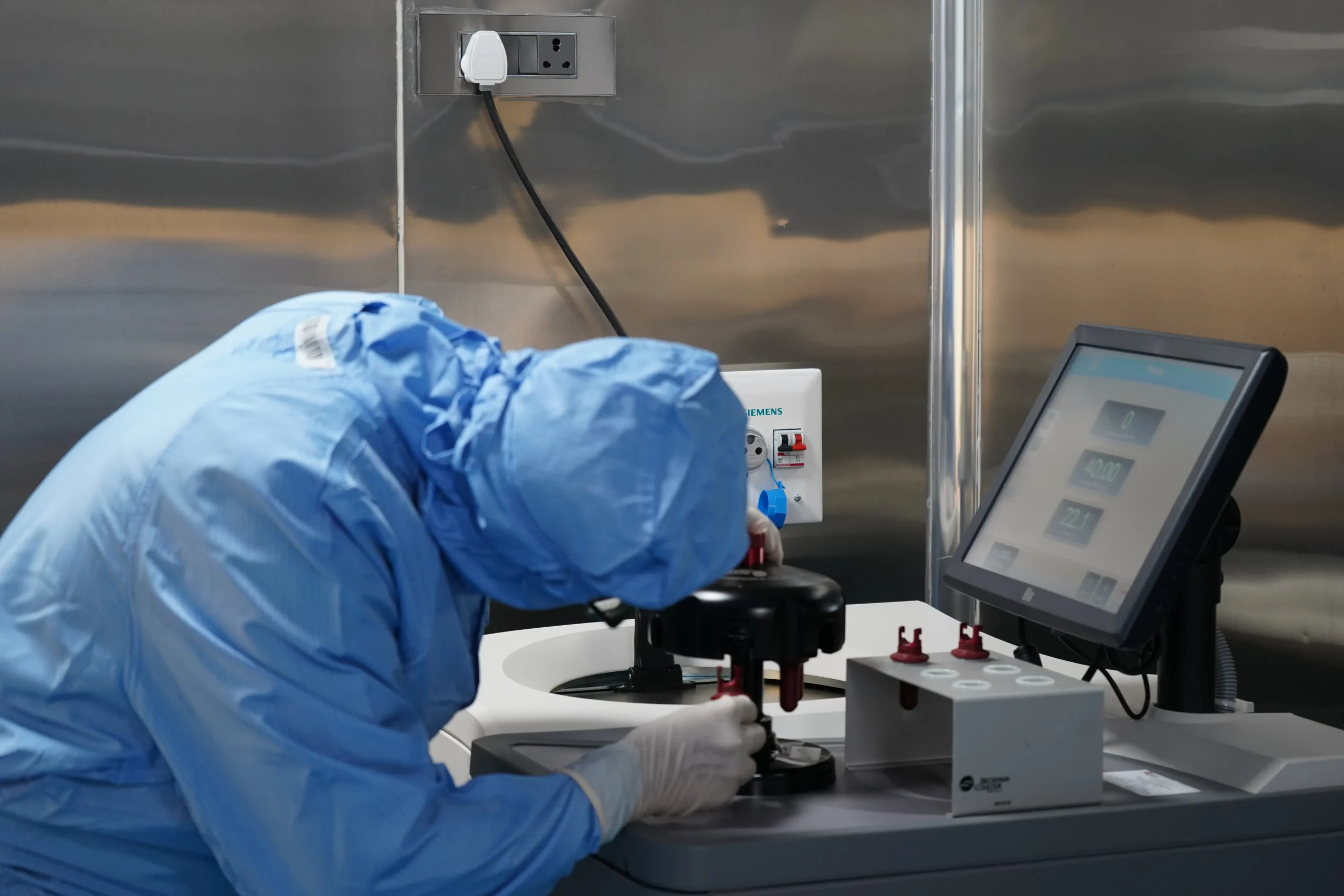
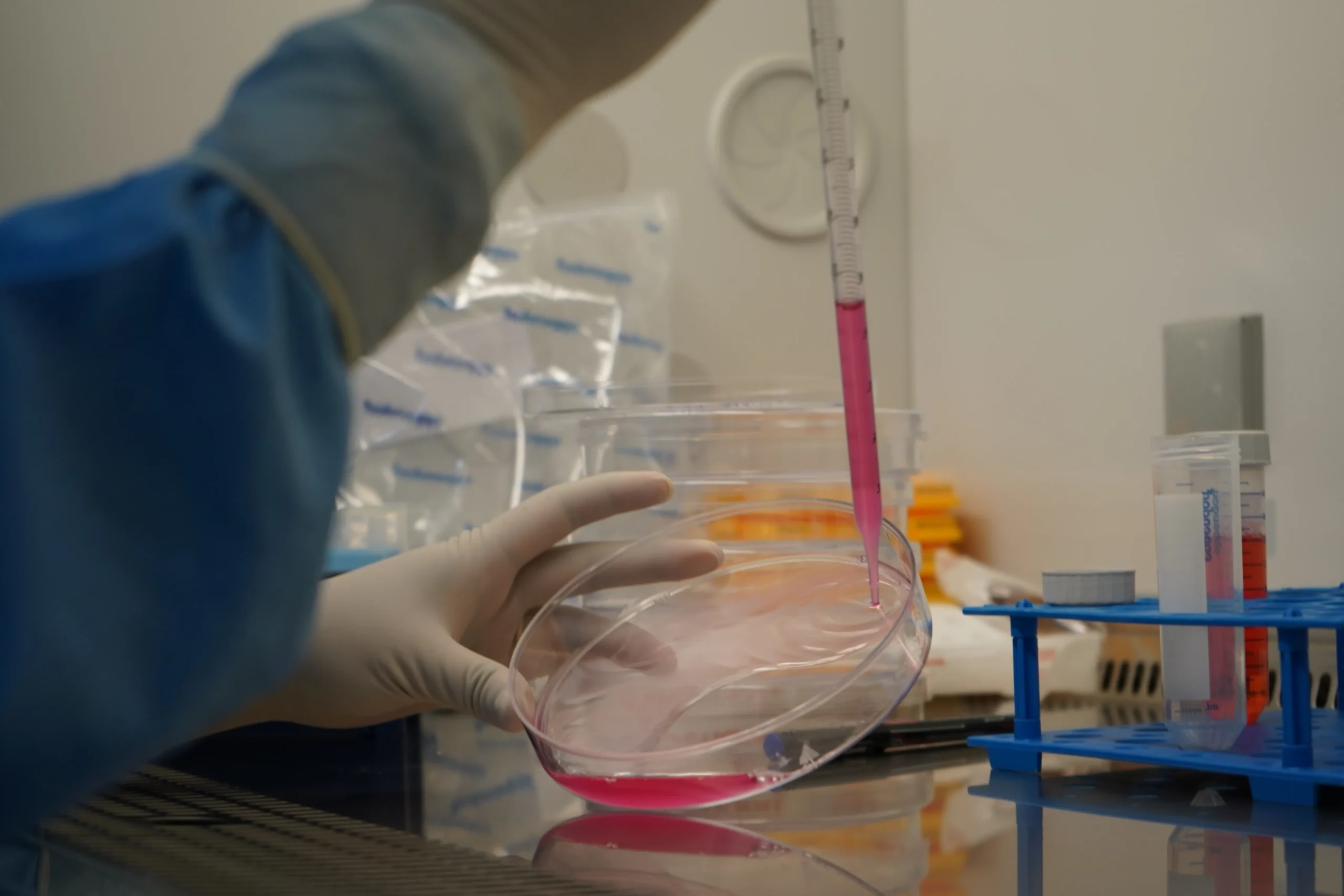
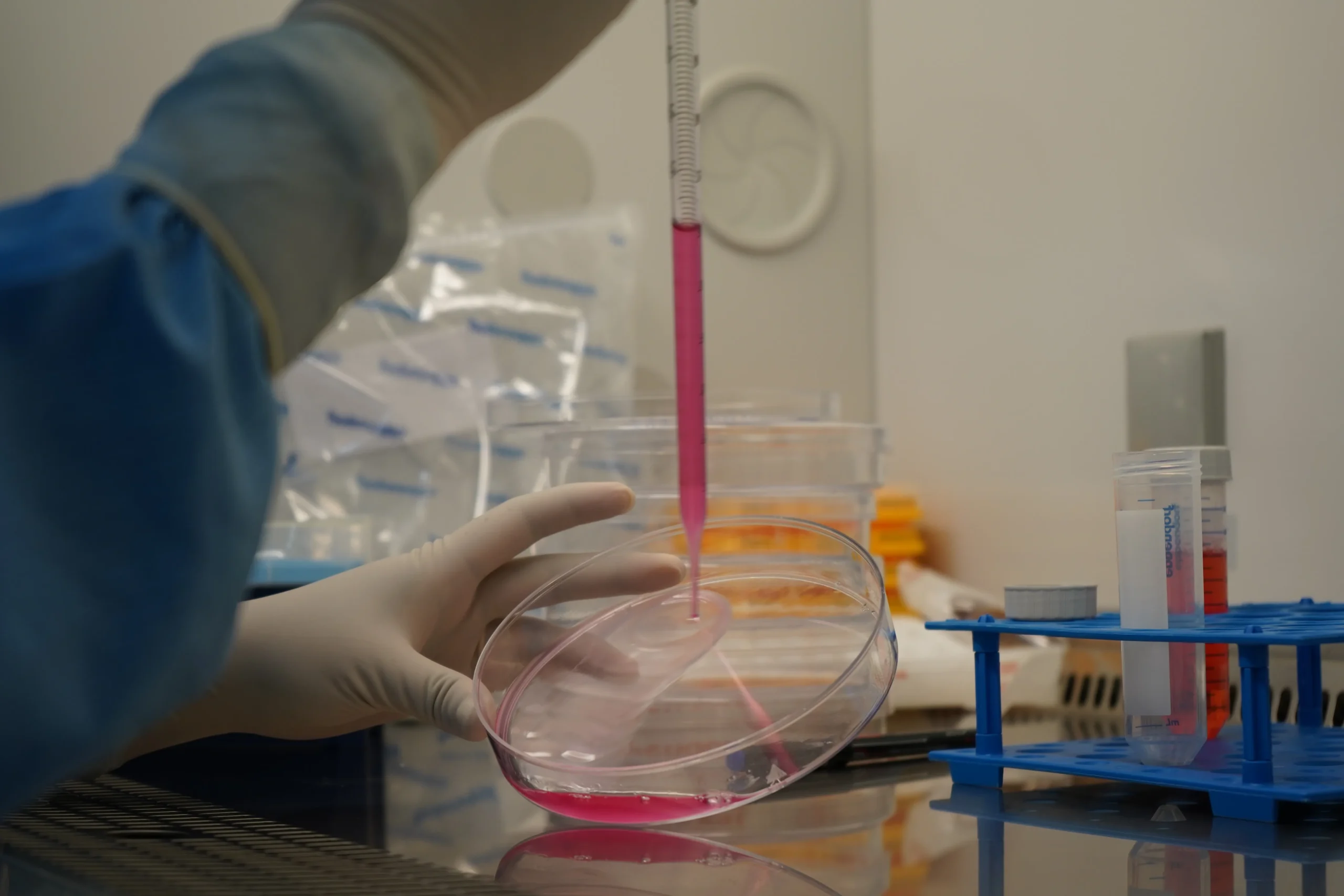
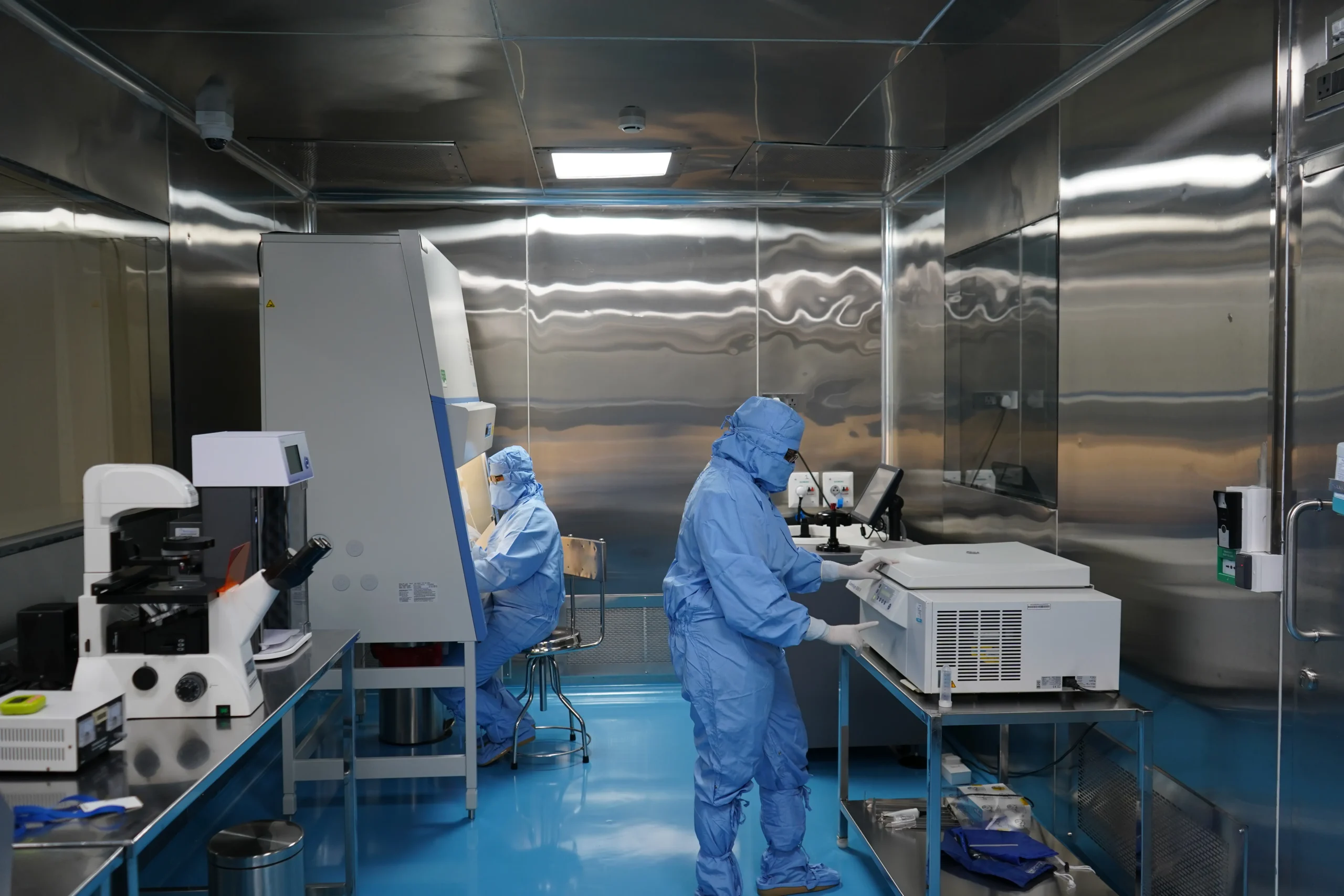
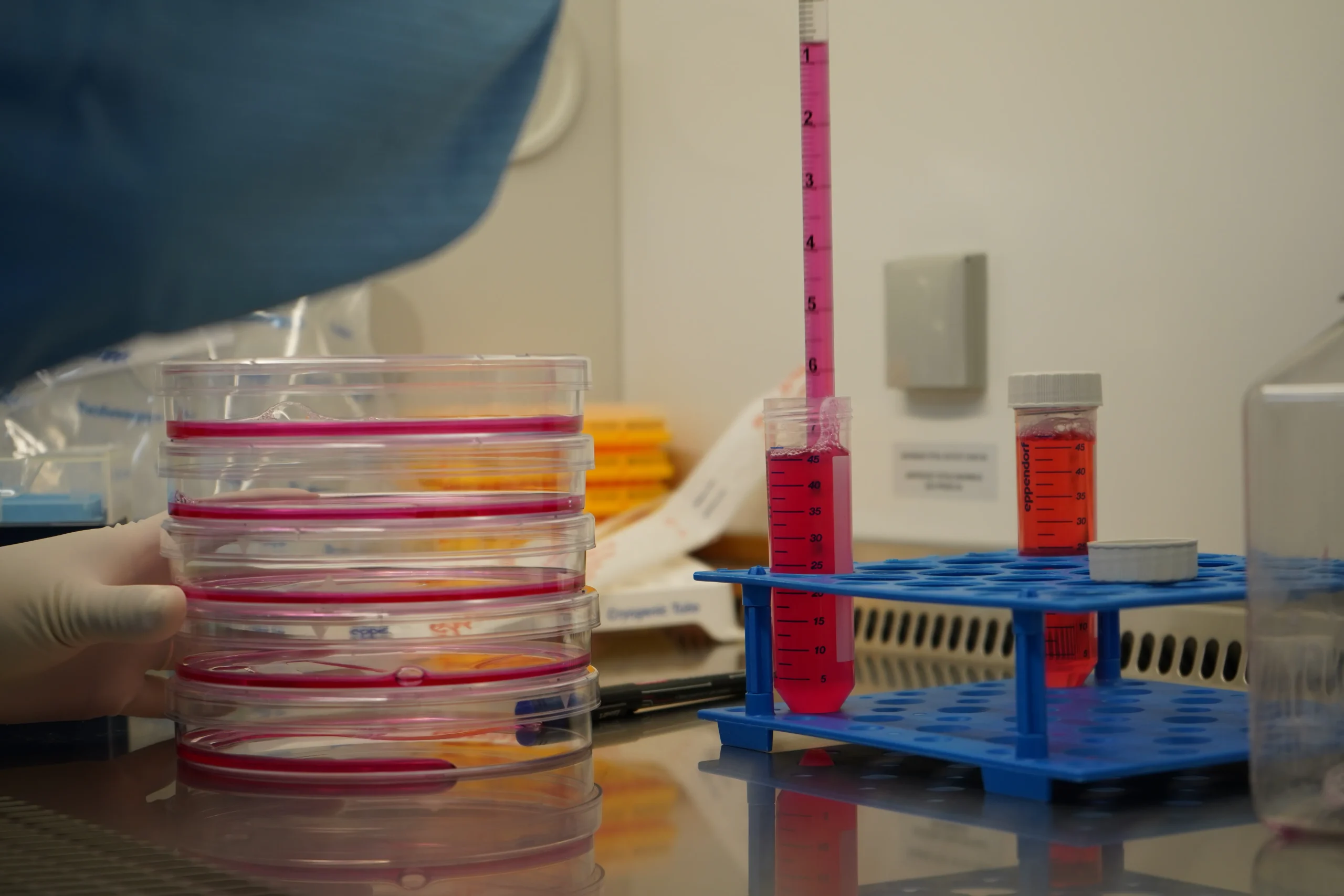
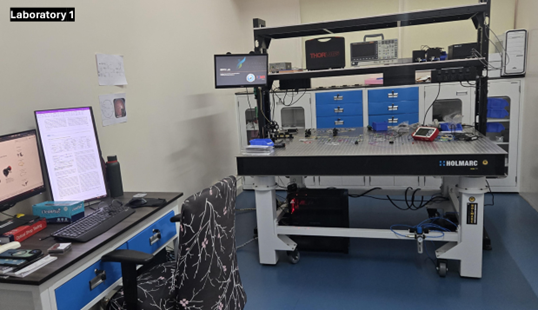
Laboratory 1 – High resolution PS-OCT development Laboratory
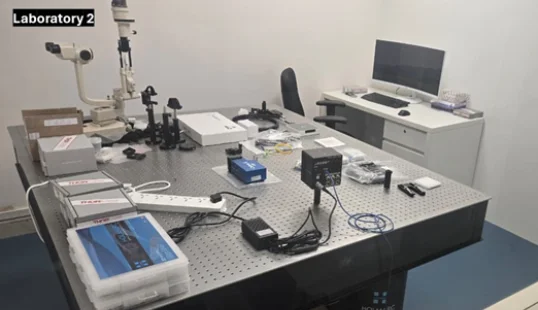
Laboratory 2 – Cellular resolution OCT development Laboratory
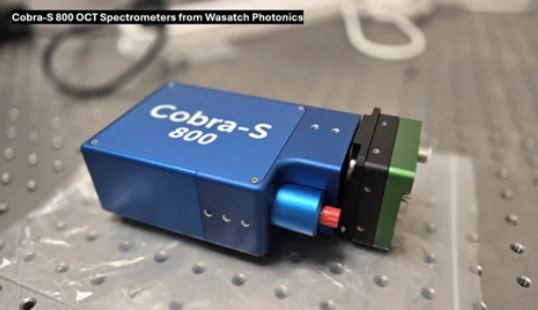
The Cobra-S 800 OCT Spectrometer is an ultra-high-speed spectral-domain system designed for high-resolution imaging, delivering line scan rates up to 250 kHz with excellent sensitivity and minimal roll-off for deeper visualization. Its compact, robust design and advanced optics make it ideal for OCT development projects, enabling researchers to build and optimize high-performance OCT imaging systems for applications in ophthalmology.
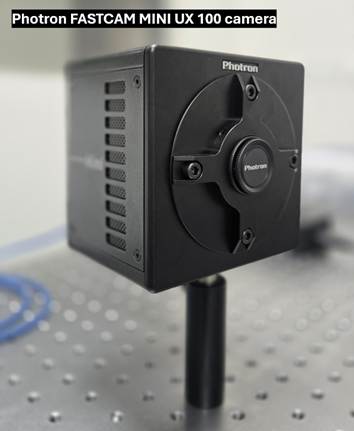
The Photron FASTCAM Mini UX100 is a compact high-speed camera with a 1.3 MP CMOS sensor, capable of capturing up to 4,000 fps at full resolution with ultra-short exposure times, enabling sharp imaging of fast optical processes. In cellular-resolution OCT for ophthalmology, its high sensitivity, global shutter, and rapid acquisition support accurate capture and synchronization of fast scanning dynamics, enhancing visualization of fine retinal and corneal microstructures.
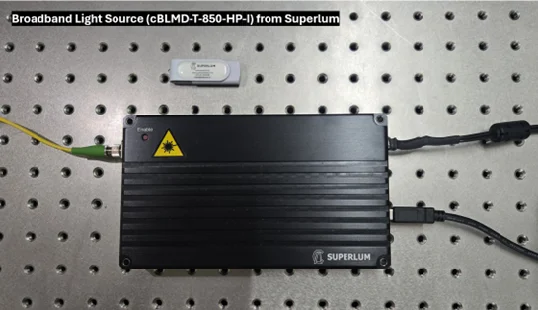
The cBLMD-T-850-HP-I is a compact, high-power broadband light source module integrating three SLDs to deliver an extended spectral bandwidth centered at 850 nm, enabling ultra-short coherence length for high axial resolution OCT imaging. Its stable output, low noise, and built-in optical isolator make it well-suited for high-cellular-resolution ophthalmic OCT systems, where wide bandwidth and spectral control are critical for precise retinal layer visualization and system robustness
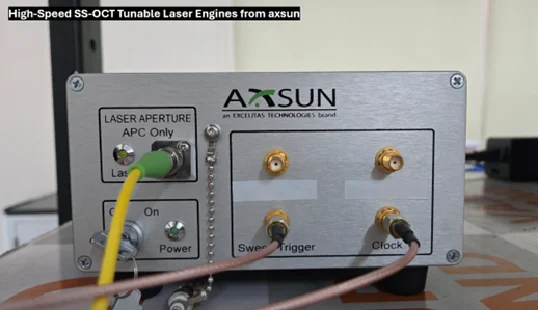
The Axsun (Excelitas Technologies) 1060 nm swept-source OCT laser delivers an optimal balance of wide tuning bandwidth, high sweep speed, and long coherence length, enabling high resolution imaging for advanced ophthalmic applications. Its stable output power and quasi-linear sweep enhance retinal layer visualization and imaging depth, while the compact, integrated OEM design with optional k-clock and acquisition modules supports seamless integration into next-generation OCT development systems.
We currently maintain three GPU-enabled server systems, each equipped with high-performance processors, large-capacity memory, and next-generation NVIDIA GPUs featuring advanced CUDA and Tensor Core architectures.
The infrastructure will be securely accessible through remote connectivity, enabling seamless and efficient utilization for IBMS Lab computational requirements. It is optimized to support intensive tasks including large-scale data processing, deep learning model training and inference, and high-resolution medical imaging applications.
We plan to upgrade this infrastructure soon by integrating higher computational capacity GPUs and advanced hardware to support large-scale data processing, storage, and Large Language Model (LLM) integration. This expansion will enhance our ability to handle complex models and massive datasets, supporting ongoing work at the IBM lab under Narayana Nethralaya Foundation.
| Component | GPU System 1 | GPU System 2 | GPU System 3 |
|---|---|---|---|
| Processor | AMD Ryzen 9 7900X | Intel Xeon W5-3425 | AMD Ryzen 9 7950X |
| Motherboard | ASUS X870-E ProArt Creator WiFi | ASUS Pro WS W790E-SAGE-SE | Gigabyte X670 AORUS Elite AX |
| RAM | 128 GB DDR5 | 32 GB DDR5 ECC | 64 GB DDR5 |
| HDD | 4 TB | 4 TB | 4 TB |
| SSD | 1 TB NVMe | 1 TB NVMe | 1 TB NVMe |
| GPU | RTX 5090 | RTX 5080 X3 | RTX 4060 Ti |
| VRAM | 32 GB GDDR7 | 16 GB GDDR7 | 16 GB GDDR6 |
| CUDA Cores | 21760 | 10752 | 4352 |
| Tensor Cores | 5th Gen | 5th Gen | 136 (4th Gen) |
| RT Cores | 4th Gen | 4th Gen | 34 (3rd Gen) |
| Memory Bus | 512-bit | 256-bit | 128-bit |
| Memory Bandwidth | ~1.8 TB/s | ~1.0 TB/s | 288 GB/s |
| GPU System | Exact GPU Model |
|---|---|
| GPU 1 | ZOTAC GeForce RTX 5090 Solid OC 32GB GDDR7 |
| GPU 2 | INNO3D GeForce RTX 5080X3 16GB GDDR7 |
| GPU 3 | ZOTAC GeForce RTX 4060 Ti Twin Edge 16GB GDDR6 |